

Digestive Enzymes: A Complete Beginner's Guide to Better Digestion

Does the perfect meal often end with an imperfect feeling? That familiar, uncomfortable bloating, the sudden gas, or the lingering indigestion that makes you regret your favorite foods. It's a frustrating cycle, and you're not alone in wondering if this is just your "normal." What if the secret to smoother digestion lies in tiny, powerful helpers your body already makes? We're talking about digestive enzymes, the unsung heroes responsible for breaking down your food and unlocking its nutrients.
If you're feeling lost in a sea of wellness advice, confused by the difference between enzymes and probiotics, and overwhelmed by the supplement aisle, you've come to the right place. This guide is your clear, simple roadmap. We'll uncover exactly what digestive enzymes are, how they work, and help you discover if natural food sources or a high-quality supplement is the right choice to finally achieve comfortable, peaceful digestion. Get ready to feel confident and in control of your gut health.
What Are Digestive Enzymes and How Do They Work?
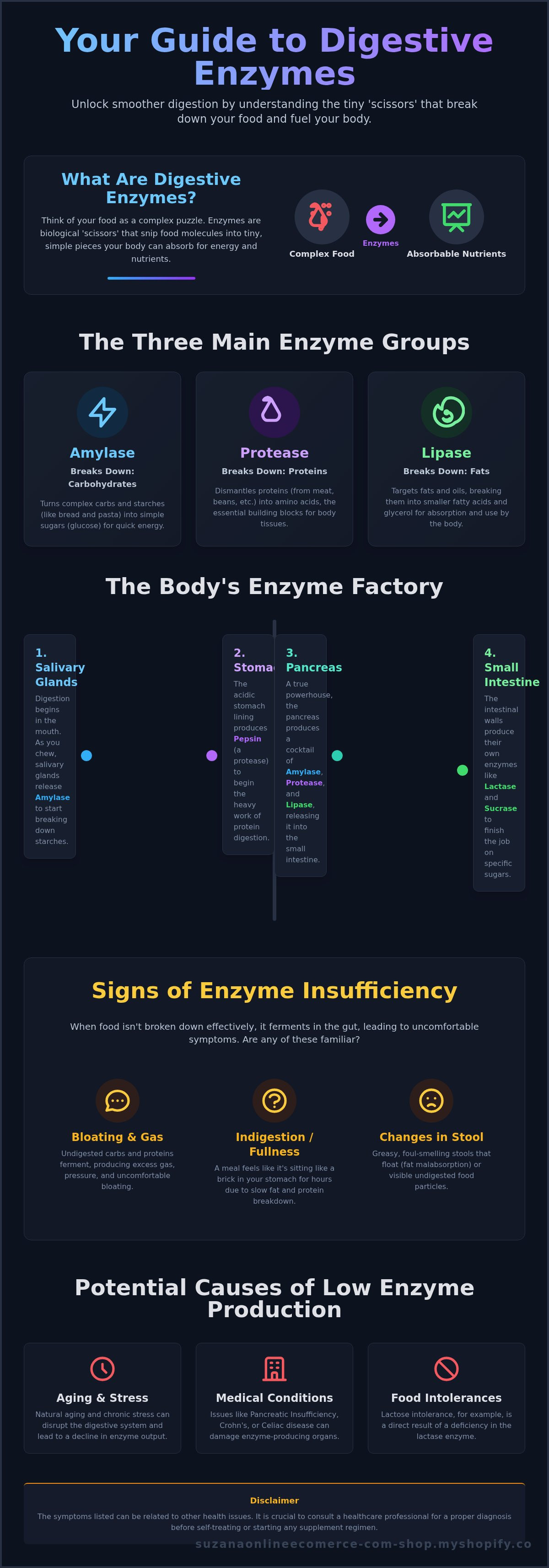
Imagine your food is a large, complex puzzle. Before your body can use the pieces, it needs to break them down into their simplest forms. This is where digestive enzymes come in. Think of them as tiny biological 'scissors' that snip apart the complex molecules in your food-carbohydrates, proteins, and fats-into smaller, absorbable nutrients that fuel your body. Without these essential proteins, even the healthiest meal would offer little nutritional value.
To better understand this concept, watch this helpful video from a functional dietitian:
The digestive process is a highly coordinated journey. As food travels from your mouth down through your stomach and intestines, your body releases specific enzymes at each stage. This precise system ensures that every macronutrient is properly dismantled. These digestive enzymes are the unsung heroes of your metabolism, turning the food you eat into the energy you need to think, move, and thrive. When this system works efficiently, you absorb more nutrients, which can lead to better energy levels and overall well-being.
The Three Main Types of Digestive Enzymes
Your body produces many types of enzymes, but they primarily fall into three main categories, each targeting a specific macronutrient:
- Amylase: Found in saliva and pancreatic juice, amylase breaks down complex carbohydrates and starches into simple sugars like glucose for energy.
- Protease: This group of enzymes, including pepsin in the stomach and trypsin from the pancreas, dismantles proteins into individual amino acids, which are the building blocks for your body's tissues.
- Lipase: Produced mainly by the pancreas, lipase is responsible for breaking down fats (lipids) and oils into smaller fatty acids and glycerol that your body can absorb and use.
Where Your Body Produces Enzymes
Your digestive system is a sophisticated enzyme factory with several key production sites working in harmony:
- Salivary glands: Digestion begins in the mouth, where salivary amylase starts breaking down starches as you chew.
- Stomach: The stomach lining produces pepsin, a powerful protease that begins the complex process of protein digestion in an acidic environment.
- Pancreas: This organ is a true powerhouse, producing a cocktail of amylase, protease, and lipase that it releases into the small intestine.
- Small intestine: The walls of the small intestine produce their own enzymes, such as lactase and sucrase, to finish breaking down specific sugars.
Signs & Symptoms of Enzyme Insufficiency
Occasional digestive discomfort after a large meal is perfectly normal. However, if you consistently experience uncomfortable symptoms after eating, your body may be signaling an issue. Persistent digestive trouble can be a sign that you are not producing enough digestive enzymes to properly break down your food, a condition known as enzyme insufficiency.
Common Digestive Complaints
When food isn't broken down effectively, it can ferment in the gut, leading to a cascade of noticeable and uncomfortable symptoms. According to Johns Hopkins Medicine's guide on Digestive Enzymes and Digestive Enzyme Supplements, this malabsorption prevents your body from getting the full nutritional value from what you eat. Pay attention to these common red flags:
- Bloating and Gas: This is often the first and most frequent sign. Undigested carbohydrates and proteins fermenting in the intestines produce excess gas, leading to uncomfortable bloating and flatulence.
- Indigestion and Feeling Overly Full: If you often feel like a meal is sitting like a brick in your stomach for hours, it may be due to the slow breakdown of fats and proteins.
- Changes in Stool: Noticeable changes in your bowel movements can be a key indicator. Watch for greasy, foul-smelling stools that float (a sign of fat malabsorption) or seeing visible, undigested food particles.
Underlying Causes of Low Enzyme Production
A shortage of digestive enzymes doesn't happen in a vacuum. It often stems from specific lifestyle factors or underlying medical conditions that interfere with your body's natural digestive processes. Key contributors can include:
- Medical Conditions: Certain health issues like exocrine pancreatic insufficiency (EPI), Crohn's disease, or celiac disease can directly damage the organs responsible for enzyme production.
- Lifestyle Factors: Chronic stress can disrupt your digestive system, while the natural aging process can lead to a gradual decline in enzyme output. A diet high in processed foods can also tax your digestive capacity.
- Food Intolerances: Some intolerances are a direct result of a specific enzyme deficiency. Lactose intolerance, for example, is caused by a shortage of the lactase enzyme needed to break down milk sugar.
Disclaimer: While this list highlights common symptoms of enzyme insufficiency, these signs can also be related to other health issues. It is crucial to consult a healthcare professional for a proper diagnosis before self-treating or starting any supplement.
How to Boost Digestive Enzymes Naturally Through Diet & Lifestyle
While supplements can be a powerful tool, a 'food-first' approach is always the best starting point for improving your digestive health. Your body is designed to get what it needs from your diet, and making strategic choices can enhance your natural supply of digestive enzymes. By focusing on whole foods and simple lifestyle adjustments, you can create a robust foundation for better digestion and nutrient absorption, often without needing anything extra.
Enzyme-Rich Foods to Add to Your Diet
Nature provides a wealth of foods that contain their own enzymes, which can help lighten the load on your digestive system. Incorporating a variety of these foods is a delicious way to get more natural digestive enzymes into your daily meals. Consider adding these powerful options to your plate:
- Tropical Fruits: Pineapple is rich in bromelain, an enzyme that breaks down protein, while papaya contains papain, which serves a similar function.
- Fermented Foods: Sauerkraut, kimchi, and kefir are packed with live enzymes and beneficial probiotics created during the fermentation process.
- Other Potent Sources: Raw honey (amylase), ginger (zingibain), avocado (lipase), and mangoes (amylase) are also excellent choices for enzymatic support.
Lifestyle Habits for Better Digestion
Beyond what you eat, how you live and eat plays a crucial role in your digestive efficiency. These simple habits can make a significant difference in how well your body processes food.
- Practice Mindful Eating: Digestion begins in the mouth. Chewing your food thoroughly not only breaks it down mechanically but also signals your pancreas to start producing and releasing the enzymes needed for the meal.
- Manage Your Stress: Chronic stress keeps your body in a "fight-or-flight" state, diverting energy away from non-essential functions like digestion. Activities like deep breathing, meditation, or a gentle walk can help activate your "rest-and-digest" nervous system.
- Neutralize Enzyme Inhibitors: Raw nuts, seeds, and legumes contain compounds that can interfere with enzyme function. Soaking or sprouting them before eating helps neutralize these inhibitors, unlocking their full nutritional potential and making them easier to digest.
A Practical Guide to Digestive Enzyme Supplements
If you've optimized your diet and lifestyle but still experience digestive discomfort, a supplement might be a helpful next step. It's important to remember that these supplements are designed to support your body’s natural processes, not replace them. Think of them as a temporary boost to help your system break down food more efficiently, especially during times of stress or dietary changes.
Types of Enzyme Supplements
Navigating the supplement aisle can be confusing, but most products fall into three main categories. Plant-based enzymes are derived from sources like pineapple (bromelain) and papaya (papain), or are microbial and sourced from fungi. Animal-based enzymes, such as pancreatin, are typically sourced from porcine (pig) pancreas and are biochemically similar to human enzymes. For general support, broad-spectrum formulas combine multiple types of enzymes to help digest fats, proteins, and carbohydrates all at once.
How to Read a Supplement Label
Not all digestive enzymes are created equal. To choose a high-quality product, you need to look beyond the milligram (mg) weight. The true measure of an enzyme's strength is its activity level, so focus on the specific units listed on the label. Here’s what to check for:
- Activity Units: Look for letters like HUT (for protease), DU (for amylase), and FIP (for lipase). These units indicate the enzyme's potency, which is more important than its weight.
- Key Enzymes: A good general-purpose supplement should contain, at a minimum, Amylase (for carbs), Protease (for proteins), and Lipase (for fats).
- Clean Ingredients: Scan the "other ingredients" list and avoid products with unnecessary fillers, binders, artificial colors, or common allergens like gluten, soy, and dairy if you are sensitive to them.
When and How to Take Them
Timing is crucial for enzymes to work effectively. The general rule is to take your supplement just before or at the very beginning of your meal. This allows the enzymes to be present in your stomach and small intestine as soon as food arrives. Always follow the dosage instructions on the product label, and consider starting with the lowest recommended dose to see how your body responds before increasing it. Ready to support your well-being? Explore our wellness products.
Digestive Enzymes vs. Probiotics: What's the Difference?
In the world of gut health, "digestive enzymes" and "probiotics" are often mentioned in the same breath, leading to a lot of confusion. While both are essential for a healthy digestive system, they play vastly different roles. Understanding the distinction is key to supporting your gut effectively.
A simple analogy can help clarify their jobs: think of digestive enzymes as the 'workers' on an assembly line, and probiotics as the 'gardeners' of the entire ecosystem.
The Role of Digestive Enzymes
Enzymes are non-living proteins that act as catalysts. Their one and only job is to break down the food you eat into smaller, usable molecules. This process happens mostly in the stomach and small intestine. Without adequate enzymes, your body can't properly access the nutrients in your food, leading to discomfort like bloating and gas.
The Role of Probiotics
Probiotics are live, beneficial bacteria that reside primarily in your large intestine (the colon). They don't break down your meal directly. Instead, these 'gardeners' work to maintain a healthy balance in your gut microbiome, fending off harmful bacteria, supporting immune function, and even producing certain vitamins. A healthy microbiome is linked to overall wellness, from mood to immunity.
| Feature | Digestive Enzymes | Probiotics |
|---|---|---|
| What They Are | Proteins (non-living) | Live microorganisms (bacteria/yeast) |
| Primary Job | Break down food | Balance gut bacteria |
| Where They Work | Stomach & Small Intestine | Large Intestine (Colon) |
Can You Take Them Together?
Yes, you can and often should! Because they perform different functions in different locations, they don't interfere with each other. In fact, they work as a team. Proper digestion, aided by enzymes, ensures that less undigested food reaches the colon. This helps prevent the overgrowth of 'bad' bacteria, creating a healthier environment for your probiotics to flourish.
For this reason, many people find that using digestive enzymes and probiotics together provides more complete support. Some advanced formulas even combine them into a single, comprehensive gut health supplement for convenience and synergistic benefits.
Your Path to Optimal Digestion Starts Now
Understanding the vital role of enzymes is the first step toward conquering digestive discomfort and unlocking your body's full potential. As we've explored, you can significantly improve your gut health by making conscious dietary choices, adopting a healthier lifestyle, and recognizing when your body might need extra support. Whether you're focusing on enzyme-rich foods or considering a supplement, you are taking a proactive step toward better nutrient absorption and overall wellness.
Empowering your body with the right tools is a powerful act of self-care. If you are looking to complement your efforts, our curated products can help you on your path. Supporting your system with high-quality digestive enzymes and other wellness essentials has never been easier. We invite you to shop from the comfort of your home and find the perfect items to elevate your routine.
Ready to feel your best? Explore our collection of wellness products to support your health journey. Your path to a happier, healthier you starts today.
Frequently Asked Questions About Digestive Enzymes
Are there any side effects of taking digestive enzymes?
While most people tolerate them well, some may experience minor side effects like nausea, stomach cramps, or diarrhea, especially when first starting. These issues often resolve as your body adjusts. It's best to start with a low dose to assess your tolerance. Choosing a high-quality supplement can also help minimize risks. If any adverse effects persist, you should discontinue use and consult with your healthcare provider for further guidance.
Can digestive enzymes help with weight loss?
Digestive enzymes are not a direct weight loss tool, but they can offer support. By improving the breakdown and absorption of nutrients, they can enhance metabolic function and reduce issues like bloating and water retention. This may help you feel lighter and more comfortable. However, they do not burn fat or calories. Sustainable weight loss still relies on a balanced diet, consistent exercise, and a healthy overall lifestyle for the best results.
How long does it take for digestive enzyme supplements to work?
The effects can be noticed quite quickly for acute symptoms. Many people feel relief from bloating, gas, or indigestion within 30 to 60 minutes of taking the supplement with a meal. For more chronic digestive concerns, it may take several days or even a few weeks of consistent use to experience significant and lasting improvements. The timeline varies based on the individual, the specific enzyme formula, and the severity of the digestive issue.
Is it safe to take digestive enzymes every day?
For most individuals, particularly those with a known enzyme insufficiency, taking digestive enzymes daily with meals is generally considered safe. They are meant to supplement your body's natural digestive process. However, it's always wise to follow the product's recommended dosage. If you plan on long-term use, especially at higher doses, it is a good idea to consult with a healthcare professional to ensure it remains the right choice for you.
Who should not take digestive enzyme supplements without a doctor's advice?
Certain individuals should exercise caution. If you are pregnant or breastfeeding, have liver or gallbladder disease, or take blood-thinning medications like warfarin, it is crucial to speak with a doctor first. Additionally, those with active stomach ulcers or gastritis should seek medical advice, as some enzymes (like protease) could potentially irritate these conditions. A professional can help determine if supplements are safe for your specific health situation.
Do digestive enzymes help with acid reflux or GERD?
They can provide indirect relief for some people. Acid reflux is sometimes worsened by undigested food creating pressure in the stomach, which pushes acid into the esophagus. By helping to break down food more efficiently, enzymes can speed up stomach emptying. This may reduce the pressure and, in turn, lessen the frequency of reflux episodes. However, they are not a direct cure for the underlying causes of GERD.
Can cooking destroy the natural enzymes in food?
Yes, heat can easily destroy the natural enzymes found in raw foods. Most of these delicate enzymes begin to break down at temperatures above 118°F (48°C). Standard cooking methods like boiling, baking, and frying will inactivate them almost completely. This is a key reason why incorporating a variety of raw foods, such as fresh fruits, salads, and sprouts, into your diet is beneficial for supporting your body's digestive processes.