

Hydroxyapatite Toothpaste: The Complete Guide to This Fluoride-Free Revolution

That sharp, sudden twinge when you sip a cold drink. The nagging worry about the ingredients in your daily routine, or the search for a brighter smile that doesn't leave your teeth feeling stripped and sensitive. If this sounds familiar, you are far from alone. For years, the options felt limited, forcing a choice between effectiveness and comfort. But what if you could address all these concerns with a single, revolutionary ingredient that works *with* your body's natural biology? This is the powerful promise of hydroxyapatite toothpaste, a game-changer in the world of oral wellness.
In this complete guide, we're breaking down the science without the confusing jargon. You'll discover exactly how this naturally-occurring mineral-the very same substance your enamel is made of-works to rebuild your teeth from within, effectively reduce painful sensitivity by filling in microscopic tubules, and gently polish away stains for a whiter smile. By the end, you'll have all the clear, straightforward information you need to decide if this innovative, fluoride-free option is the key to achieving the healthy, confident smile you deserve.
What is Hydroxyapatite and Why is it in Toothpaste?
Hydroxyapatite (HAP) might sound complex, but it's one of the most natural and essential minerals for your body. It is the primary component that makes up the rigid structure of your tooth enamel and bones-in fact, enamel is about 97% hydroxyapatite. This makes it a perfectly biomimetic material, meaning it mimics a substance already found in your body. When used in oral care, HAP works in harmony with your natural biology to rebuild and protect your teeth. For a deeper dive into the science, you can explore what hydroxyapatite is and its role in human biology.
Interestingly, the use of HAP in dental care has roots in space exploration. In the 1970s, NASA astronauts experienced significant mineral loss in their teeth and bones due to zero-gravity environments. To combat this, NASA patented a synthetic version of hydroxyapatite to help remineralize their teeth, laying the groundwork for the modern, science-backed formulas we see today.
To better understand how this innovative ingredient compares to traditional options, watch this breakdown from a dental professional:
The Science Explained: How HAP Mimics Your Enamel
Think of hydroxyapatite in toothpaste as "liquid enamel." Because it's chemically identical to your tooth's mineral structure, it can seamlessly bond to your enamel. When you brush, HAP particles fill in microscopic scratches and fissures on the tooth surface. This process, known as remineralization, restores lost minerals, strengthens weakened enamel, and creates a smoother, glossier surface that is more resistant to plaque and stains. This direct repair mechanism is what makes hydroxyapatite toothpaste so effective at reducing sensitivity and fortifying your smile from within.
Hydroxyapatite vs. Nano-Hydroxyapatite: What's the Difference?
As you explore HAP products, you may encounter nano-hydroxyapatite (n-Ha). The main difference lies in particle size and shape. Nano-hydroxyapatite consists of tiny, rod-shaped particles, whereas standard HAP particles are larger. The smaller size of n-Ha is believed to allow for more effective penetration into the tiny tubules of your enamel, potentially offering more efficient remineralization. However, it's important to note that both forms are scientifically proven to be highly effective at repairing and strengthening teeth.
Hydroxyapatite vs. Fluoride: The Great Oral Care Debate
For decades, fluoride has been the undisputed champion of cavity prevention, earning its place as the 'gold standard' in dental care. However, a powerful, science-backed alternative is changing the conversation. As consumers increasingly seek effective and biocompatible options, the debate between hydroxyapatite and fluoride has taken center stage. While both ingredients aim to protect your teeth, they go about it in fundamentally different ways.
How They Work: Rebuilding vs. Reinforcing
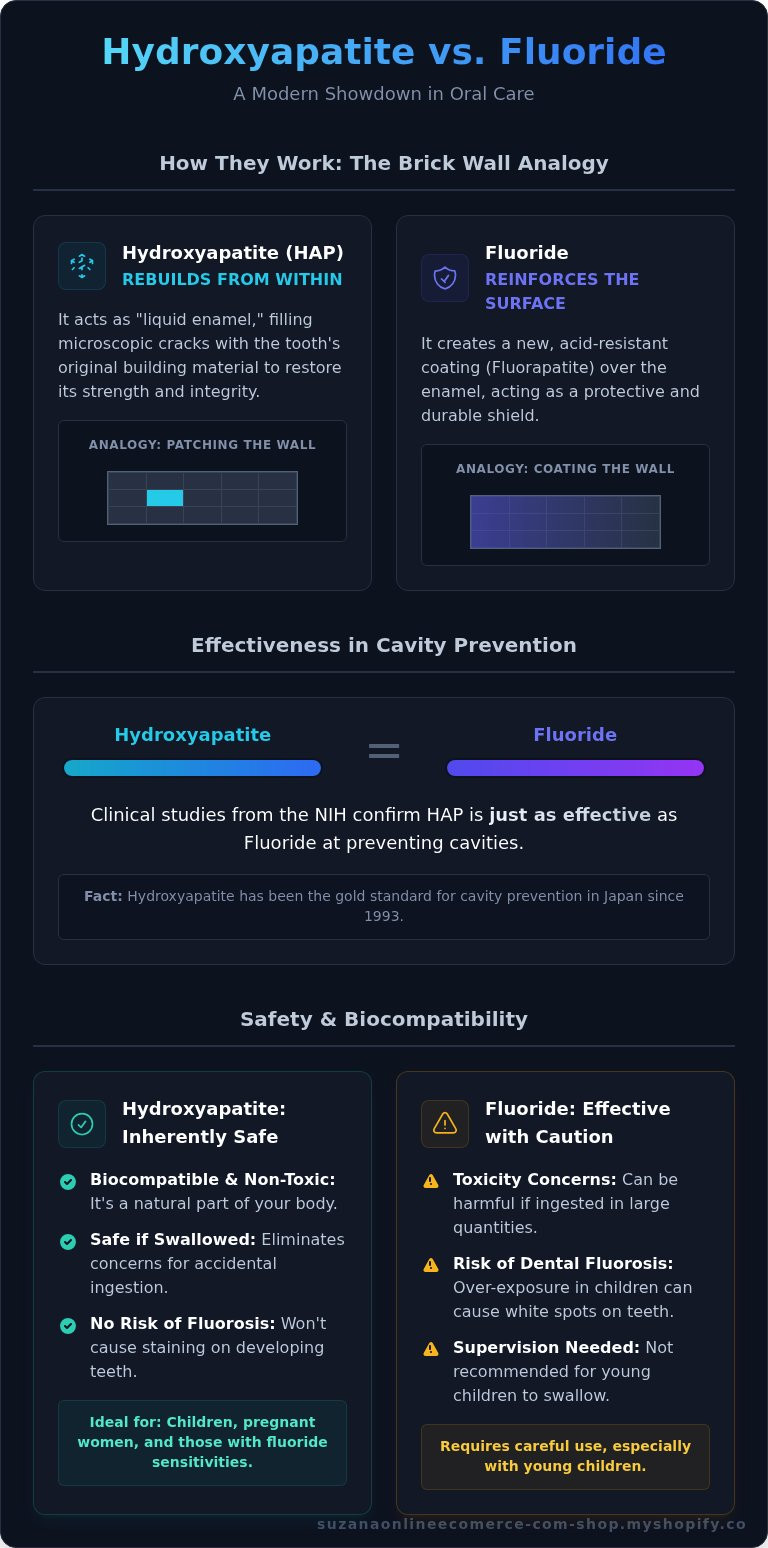
Think of your tooth enamel as a brick wall. Fluoride works by reacting with your saliva and enamel to create a new, more acid-resistant surface layer called fluorapatite. This is like applying a protective, water-resistant coating over the wall. In contrast, hydroxyapatite (HAp) is the very substance your enamel is made of. It works by filling in the microscopic cracks and replacing lost minerals, directly rebuilding the structure from within. It’s not a coating; it’s the original building material used to patch the wall itself.
Effectiveness in Cavity Prevention
The crucial question is: does this new approach work? The scientific evidence says yes. Far from being a niche ingredient, HAp has been the gold standard for caries prevention in Japan since 1993. Modern research continues to validate its power, with a landmark clinical study comparing hydroxyapatite and fluoride from the National Institutes of Health (NIH) finding that HAp was just as effective as fluoride at remineralizing early cavities. By replenishing enamel density, HAp helps stop the decay process in its earliest stages.
Safety and Biocompatibility
This is where hydroxyapatite toothpaste truly shines. Because HAp is a natural component of our teeth and bones, it is completely biocompatible and non-toxic. It is safe if accidentally swallowed, which is a significant advantage for young children who are still learning to spit properly. This eliminates concerns associated with excessive fluoride ingestion, such as the risk of dental fluorosis. This inherent safety makes HAp an ideal choice for:
- Children and toddlers
- Individuals with fluoride sensitivities
- Anyone seeking a clean, non-toxic oral care routine
Ultimately, hydroxyapatite offers a modern, science-backed evolution in oral care, providing an effective and exceptionally safe way to achieve a stronger, healthier smile.
Top 5 Benefits of Using Hydroxyapatite Toothpaste
Beyond being a novel ingredient, hydroxyapatite (HAP) offers a suite of tangible benefits that address some of the most common dental concerns. From sensitivity to staining, switching to a hydroxyapatite toothpaste can fundamentally change the health and appearance of your smile by working with your body's natural biology.
1. Rebuilds and Strengthens Tooth Enamel
Your enamel is primarily composed of hydroxyapatite. When you brush with HAP, you are essentially providing your teeth with the exact building blocks needed to repair themselves. It fills in microscopic fissures and demineralized areas on the tooth's surface caused by acid from foods and drinks. A comprehensive NIH study on hydroxyapatite toothpaste confirms its powerful remineralizing effects. Over time, this process leads to teeth that feel noticeably smoother, stronger, and more resilient.
2. Ends Painful Tooth Sensitivity
If you wince at the thought of ice cream or a hot drink, HAP can provide lasting relief. Sensitivity occurs when tiny channels in your dentin, called tubules, become exposed and lead to the tooth's nerve. Hydroxyapatite works by occluding, or plugging, these tubules. This creates a durable barrier that blocks external stimuli from reaching the nerve, effectively stopping the pain at its source rather than just temporarily masking it.
3. Gently and Naturally Brightens Your Smile
True whitening isn’t about bleaching your teeth; it’s about restoring your enamel to its natural, healthy state. As HAP fills in surface imperfections and rebuilds enamel, it creates a smoother, more uniform surface. This restored surface reflects light more effectively, resulting in a visibly brighter and more lustrous smile. Best of all, it achieves this without the use of harsh chemical abrasives or peroxide that can increase sensitivity.
4. Fosters a Healthy Oral Microbiome
A healthy mouth depends on a balanced ecosystem of bacteria. Unlike some harsh antiseptic agents that kill bacteria indiscriminately, hydroxyapatite works more selectively. It has been shown to inhibit the adhesion of harmful, plaque-causing bacteria to the tooth surface. This helps prevent plaque buildup while allowing the beneficial bacteria in your oral microbiome to thrive, promoting long-term oral wellness.
5. Provides a Safe, Non-Toxic Clean
Because hydroxyapatite is a biomimetic material-the same substance that makes up our teeth and bones-it is completely biocompatible and non-toxic. This makes it an exceptionally safe option for the entire family, including children who may be prone to swallowing toothpaste. For those seeking an effective, science-backed, and fluoride-free alternative, HAP offers peace of mind without compromising on performance.
How to Choose the Best Hydroxyapatite Toothpaste for You
Now that you understand the powerful benefits of hydroxyapatite, the next step is choosing the right product for your oral care routine. With so many options emerging, navigating the choices can feel overwhelming. This guide will empower you to read labels like a pro and select the best hydroxyapatite toothpaste to meet your unique dental goals.
Check the Ingredient List: What to Look For
The ingredient list is your most valuable tool. A high-quality formula will feature its key active ingredient prominently, ensuring you get the maximum remineralizing benefit.
- Hydroxyapatite (HAP): Look for "Hydroxyapatite" or "Nano-Hydroxyapatite" near the top of the list. A higher placement generally indicates a more effective concentration.
- Xylitol: This natural sweetener is a powerful ally against cavity-causing bacteria, as it helps neutralize pH levels and starve harmful microbes.
- Soothing Botanicals: Ingredients like aloe vera, green tea extract, or tea tree oil can offer additional anti-inflammatory and antimicrobial properties for improved gum health.
Ingredients to Avoid
Just as important as what’s in your toothpaste is what’s left out. A clean, modern formula avoids unnecessary additives that can cause irritation or work against your oral health goals.
- Sulfates (SLS/SLES): Sodium Lauryl Sulfate is a harsh foaming agent that can irritate sensitive gums and is linked to canker sores in some individuals.
- Artificial Additives: Steer clear of synthetic colors, flavors, and preservatives like parabens. Natural alternatives provide a safer, more pleasant experience.
- Harsh Abrasives: Abrasive agents can physically scrub away enamel. A good HAP toothpaste works biochemically, making harsh scrubbers unnecessary.
Considering Your Specific Needs
The ideal toothpaste is one that is tailored to you. For those with tooth sensitivity, a formula with a higher concentration of HAP can provide more significant relief by plugging the tiny tubules in your dentin. If your goal is whitening, choose a non-abrasive hydroxyapatite toothpaste that gently polishes away surface stains. When shopping for children, opt for a product with a mild, natural flavor to encourage healthy brushing habits from a young age.
Making an informed decision is the key to unlocking the full potential of this revolutionary ingredient. By focusing on a clean, effective formula that aligns with your personal needs, you can elevate your oral wellness routine. Ready to find your perfect match? Explore our curated collection of wellness products and take the next step toward a healthier, stronger smile.
Embrace the Revolution in Your Oral Care Routine
As we've explored, the science behind hydroxyapatite is compelling. This biocompatible mineral doesn't just clean your teeth; it actively rebuilds and strengthens your enamel from within, offering a powerful, natural solution for sensitivity and decay prevention. The great oral care debate has a new contender, and it's clear that hydroxyapatite toothpaste provides a safe and remarkably effective fluoride-free alternative for the entire family. It represents a conscious shift towards working with your body's own biology for a healthier smile.
Ready to make a choice that benefits your long-term wellness? We've built a collection of carefully selected wellness products with a focus on clean and effective ingredients. Shop our range of natural health and wellness products today! Join a community focused on better health choices and give your smile the nourishing, restorative care it truly deserves.
Frequently Asked Questions About Hydroxyapatite Toothpaste
Is hydroxyapatite toothpaste safe to use every day and for children?
Yes, hydroxyapatite is exceptionally safe for daily use by both adults and children. Because it is the primary mineral that naturally makes up our teeth and bones, it is completely biocompatible and non-toxic if accidentally swallowed. This makes it an ideal fluoride-free option for young children who are still learning to spit, ensuring their oral health routine is effective and worry-free for parents. Its gentle nature is suitable for the entire family.
Can hydroxyapatite toothpaste really prevent cavities as effectively as fluoride?
Numerous scientific studies have shown that hydroxyapatite toothpaste is as effective, and in some cases more effective, than fluoride at preventing cavities. It works by remineralizing enamel from within, depositing the exact same mineral your teeth are made of to fill in microscopic fissures and strengthen the tooth surface. This process repairs early-stage lesions and creates a stronger barrier against the acid attacks from plaque bacteria that cause tooth decay.
How long does it take to notice results like reduced sensitivity or whitening?
Many users experience a reduction in tooth sensitivity within the first one to two weeks of consistent use. This happens as the hydroxyapatite particles occlude (block) the tiny tubules in your dentin that lead to nerve endings. Whitening effects are more gradual, typically becoming noticeable after three to four weeks. This isn't a bleaching effect but rather a result of the enamel surface becoming smoother and more lustrous as it is remineralized.
Is hydroxyapatite toothpaste approved by dentists or the ADA?
While hydroxyapatite has been a standard of care in countries like Japan for decades, it is still relatively new to the mass market in the United States. Therefore, the American Dental Association (ADA) has not yet granted its Seal of Acceptance for hydroxyapatite's anti-cavity claims. However, a rapidly growing number of dentists in the U.S. now recognize its benefits and recommend it to patients for its proven ability to remineralize enamel and reduce sensitivity.
Why is hydroxyapatite toothpaste often more expensive than regular toothpaste?
The higher price point is typically due to the cost of the active ingredient and the overall formulation quality. Manufacturing nano-hydroxyapatite, the most effective form for dental care, is a more complex and costly process than producing fluoride. Furthermore, these toothpastes often contain other premium ingredients and omit cheaper fillers, like SLS or artificial colors, which contributes to the higher cost but also results in a cleaner, more beneficial product.
Does hydroxyapatite toothpaste have any known side effects?
One of the greatest benefits of hydroxyapatite is its complete lack of known side effects. Since it is a biomimetic material that is identical to the mineral composition of human teeth, the body recognizes it as its own. This eliminates the risks associated with fluoride, such as dental fluorosis from over-ingestion. Its inherent safety and biocompatibility make it a uniquely gentle yet powerful ingredient for maintaining oral health at any age.