

Mouth Taping Benefits: A Beginner's Guide to Better Sleep and Nasal Breathing

Do you ever wake up feeling like you haven't slept at all, even after a full eight hours? If you're tired of battling morning grogginess, a dry mouth, or the nightly chorus of snoring that disrupts you or your partner, the solution might be simpler than you think. The way you breathe while you sleep is a powerful, often-overlooked factor in your overall well-being. This is where a gentle but transformative technique comes into play, and in this guide, we'll explore the science-backed mouth taping benefits that are helping thousands reclaim their rest.
Forget the confusing social media clips and conflicting advice. We're here to cut through the noise and provide a clear, beginner-friendly roadmap. You will learn how encouraging nasal breathing can lead to deeper, more restorative sleep, quieter nights, and even improved oral health. We'll show you exactly how to get started safely and effectively, so you can finally trade restless nights for energized mornings and experience the profound difference quality sleep can make.
What is Mouth Taping and Why Is It Suddenly Everywhere?
If you've been exploring wellness trends, you've likely encountered the term "mouth taping." But what is it, really? In simple terms, it's the practice of using a small piece of gentle, skin-safe tape to hold your lips together during sleep. The goal isn't to forcibly seal your mouth but to gently encourage it to remain closed, thereby promoting the body's natural and more efficient method of breathing: through the nose. Essentially, what is mouth taping? It's a behavioral tool designed to retrain your subconscious breathing patterns while you rest.
For a clear visual explanation of how it works and what to consider, the video below provides an excellent overview.
The Core Principle: Switching from Mouth to Nose Breathing
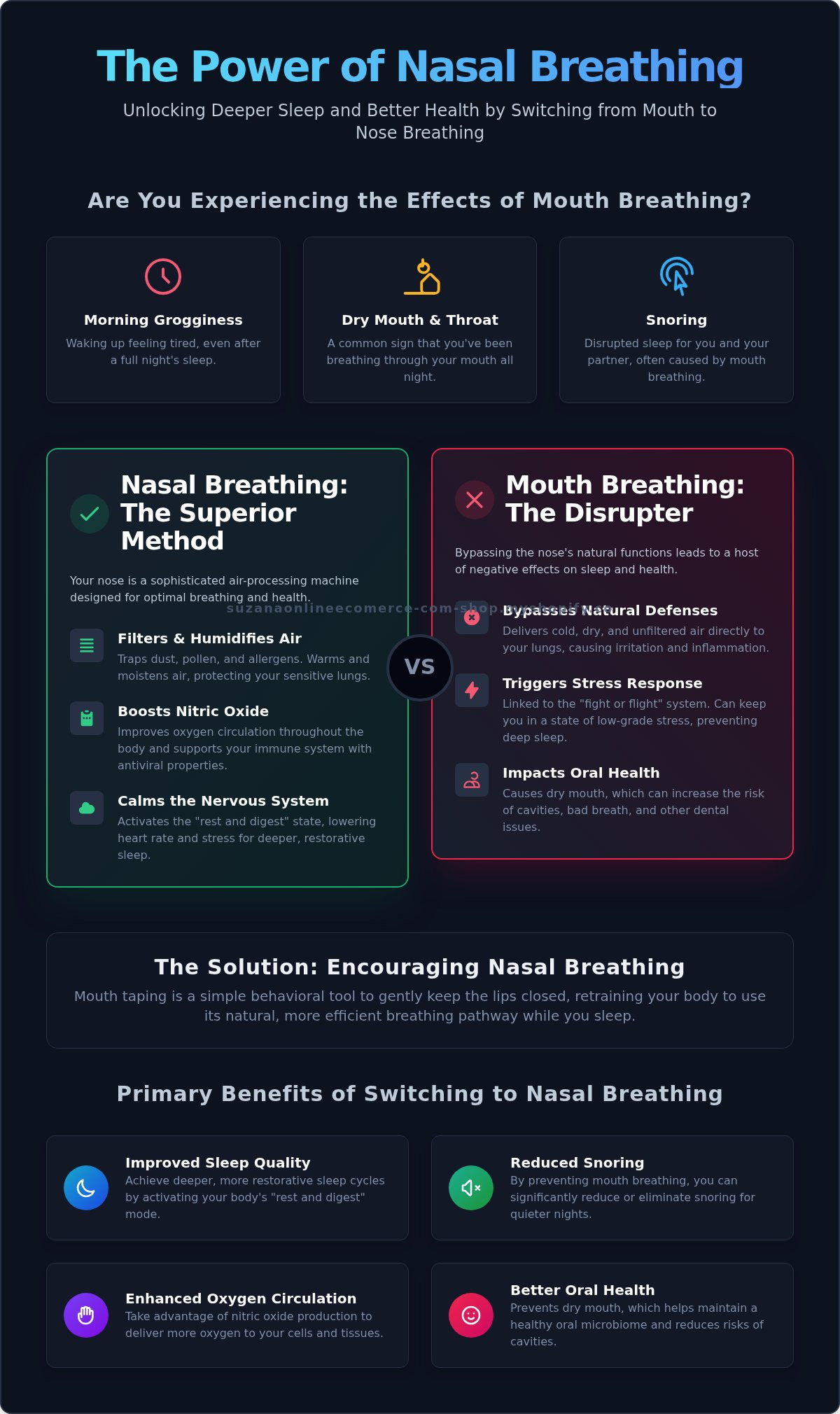
The entire premise of mouth taping hinges on one fundamental biological concept: humans are designed to be nasal breathers. Many of us, however, become habitual mouth breathers at night due to factors like chronic congestion, allergies, or even stress. Your nose is a remarkable air-processing machine. It's equipped to:
- Filter dust, pollen, and other airborne particles.
- Humidify the air to prevent your airways from drying out.
- Warm cold air to body temperature before it reaches your sensitive lungs.
- Produce nitric oxide, a vasodilator that improves oxygen circulation.
The mouth lacks all of these crucial mechanisms. Think of it this way: your nose is for breathing, and your mouth is for eating. When we reverse those roles during sleep, we miss out on significant physiological advantages.
Understanding the Social Media Hype
It's impossible to ignore the recent explosion of mouth taping across social media platforms like TikTok and Instagram. Wellness influencers and biohackers have championed it, making bold claims about its transformative effects. You've probably heard promises of a sculpted jawline, the complete elimination of snoring, enhanced athletic performance, and unparalleled mental clarity. While this viral buzz has brought much-needed attention to the importance of nasal breathing, it's crucial to separate anecdotal hype from scientific reality. Throughout this article, we will critically examine the science behind the purported mouth taping benefits to help you understand what's possible and what's merely a passing trend.
The Science of Nasal Breathing: Why It's Crucial for Your Health
Before we dive deeper into the mechanics of mouth taping, it’s essential to understand why it even matters. The tape itself isn't the magic solution; it's a tool to encourage a powerful, natural process: nasal breathing. Your nose is far more than just a passageway for air. It’s a highly specialized organ designed to be your primary breathing gateway, and using it correctly is fundamental to your overall health and sleep quality.
Your Body's Built-In Air Filter and Humidifier
Think of your nose as a sophisticated, built-in air purification system. The small hairs (cilia) and mucous lining in your nasal passages act as a first line of defense, trapping dust, pollen, allergens, and other airborne particles before they can reach your lungs. Furthermore, the nose warms and humidifies incoming air to the ideal temperature and moisture level for your respiratory system. Mouth breathing bypasses this entire process, delivering cold, dry, and unfiltered air directly to your sensitive lungs, which can lead to irritation and inflammation.
The Power of Nitric Oxide
One of the most remarkable functions of nasal breathing happens in your paranasal sinuses: the production of nitric oxide. This vital molecule plays a huge role in your health. When you breathe through your nose, you carry this nitric oxide into your lungs, where it helps to:
- Improve Oxygen Circulation: Nitric oxide is a potent vasodilator, meaning it relaxes and widens blood vessels. This allows your blood to absorb and transport oxygen more efficiently throughout your body.
- Support Your Immune System: It has natural antiviral and antibacterial properties, helping to sterilize the air you breathe and protect your airways from pathogens.
Regulating Your Nervous System for Deeper Sleep
The way you breathe directly influences your nervous system. Slow, deep, and consistent nasal breathing activates your parasympathetic nervous system-your body's "rest and digest" mode. This state is crucial for lowering your heart rate, reducing stress, and preparing your body for deep, restorative sleep. In contrast, chronic mouth breathing is often shallow and rapid, which is linked to the sympathetic nervous system, or the "fight or flight" response. This can keep you in a state of low-grade stress, making it difficult to fall and stay asleep. Understanding this connection is key to appreciating the potential mouth taping benefits, as forcing the switch to nasal breathing can fundamentally shift your physiological state. This is why practices that promote nasal breathing are gaining attention, with one study on mouth taping and sleep apnea showing significant reductions in snoring and apnea severity for participants. The ultimate goal of the various mouth taping benefits is to leverage these natural biological advantages for a better night's rest.
Potential Mouth Taping Benefits: Separating Fact from Fiction
While the trend of mouth taping is gaining momentum online, it's crucial to look at the claims with a balanced perspective. The full spectrum of mouth taping benefits is still an area of emerging research, but the underlying principle-promoting nasal breathing-is well-established. Here’s a breakdown of the potential advantages, separating solid theory from anecdotal reports.
Improved Sleep Quality and Reduced Snoring
One of the most common reasons people try mouth taping is to combat snoring. Mouth breathing often causes the soft tissues at the back of the throat to vibrate, creating the sound of snoring. It can also contribute to disruptions in breathing for those with mild obstructive sleep apnea. By encouraging the body to breathe through the nose, the tongue rests properly on the roof of the mouth, which may help keep the airway more stable and open. While large-scale studies are limited, some smaller clinical trials and extensive user reports suggest that using mouth tape for sleep can significantly reduce the intensity and frequency of snoring. Many users anecdotally report waking up feeling more refreshed and energized after a night of uninterrupted nasal breathing.
Better Oral and Dental Health
Your dentist may have already warned you about the dangers of mouth breathing. When you breathe through your mouth at night, it causes a condition called xerostomia, or dry mouth. Saliva is your mouth’s natural defense mechanism, and without it, you open the door to several oral health issues:
- Increased Cavity Risk: Saliva neutralizes acids and helps wash away food particles. A dry environment allows harmful bacteria to thrive.
- Gum Disease: Dryness can lead to inflamed, irritated gums (gingivitis).
- Bad Breath (Halitosis): A lack of saliva allows odor-causing bacteria to multiply.
Promoting nasal breathing with mouth tape helps maintain a healthy flow of saliva, protecting your teeth and gums and supporting a balanced oral microbiome.
Other Reported Health Perks
Beyond sleep and dental health, some users report other positive changes. For individuals with asthma, nasal breathing can be beneficial as the nose warms, humidifies, and filters incoming air, making it less irritating to the lungs. Many also claim improved cognitive function and focus, a likely side effect of achieving deeper, more restorative sleep. While you might see claims about mouth taping changing your jawline, this is largely unproven in adults and is more relevant to the developmental growth of children.
Is Mouth Taping Safe? Risks and Who Must Avoid It
While the potential advantages are compelling, safety must always come first. The practice of mouth taping is not a one-size-fits-all solution, and understanding the potential risks is crucial before you try it. This balanced perspective ensures you can make an informed decision about whether it’s the right choice for your sleep health.
Potential Side Effects to Be Aware Of
Most people who try mouth taping experience no issues, but some may encounter minor side effects, especially when first starting. These can include:
- Skin Irritation: The adhesive on some tapes can cause redness, itchiness, or even a mild allergic reaction. Using a hypoallergenic, purpose-designed mouth tape is essential to minimize this risk.
- Anxiety or Claustrophobia: The sensation of having your mouth covered can feel restrictive at first, potentially leading to anxiety. It's often helpful to wear the tape for 10-15 minutes before bed to get accustomed to the feeling.
- Sleep Disruption: If the tape is uncomfortable, it may ironically disrupt your sleep, defeating the purpose. If you find yourself waking up frequently, it may not be the right approach for you.
Who Should Talk to a Doctor Before Trying?
Prioritizing safety means recognizing that for some individuals, mouth taping is not recommended without professional medical advice. It is critical to consult your doctor before attempting mouth taping if you have any of the following conditions:
- Nasal Obstruction: If you cannot breathe freely through your nose due to a deviated septum, chronic congestion, or polyps, taping your mouth can be dangerous. Your nose must be a clear and reliable airway.
- Diagnosed Sleep Apnea: While some studies explore its use, individuals with sleep apnea should never try mouth taping without explicit guidance from their sleep specialist.
- Asthma or COPD: Any condition that compromises respiratory function requires caution.
- History of Nausea or Vomiting: Taping the mouth poses a serious choking hazard for anyone prone to vomiting, especially at night.
Debunking the Suffocation Myth
A common and understandable fear is the risk of suffocation. However, when done correctly with the right materials, this risk is virtually nonexistent. Proper mouth tape is not duct tape; it's designed with a gentle adhesive that can be easily removed with a simple opening of the mouth. Your body’s powerful natural reflex would force your mouth open if it ever struggled for air. To safely explore the many mouth taping benefits, remember that your nose remains your primary, fully functional airway throughout the night.
If you've considered these points and feel you are a good candidate, using a product made specifically for this purpose is the best way to start. Discover our range of skin-safe, gentle sleep tapes designed for comfort and peace of mind.
How to Start Mouth Taping Safely: A Step-by-Step Guide for Beginners
Intrigued by the potential of mouth taping? Getting started is simple, but doing it safely is paramount. This guide will walk you through the process, ensuring you can comfortably and confidently explore this sleep-enhancing technique. A gradual approach is the best way to realize the full mouth taping benefits without feeling overwhelmed.
Choosing the Right Kind of Tape
The most critical first step is selecting the right tape. Never use household products like duct tape, packing tape, or electrical tape. Their harsh adhesives can cause skin irritation, allergic reactions, and painful removal. Instead, opt for products specifically designed for skin contact. Look for porous, hypoallergenic surgical tape (like micropore tape) or specially designed mouth strips available from wellness brands. These are gentle, breathable, and made with skin-safe adhesives.
Your First Night: The Preparation Checklist
Proper preparation makes all the difference. Before applying any tape, follow this simple checklist to ensure comfort and effectiveness:
- Cleanse Your Skin: Wash and thoroughly dry the area around your mouth. Natural skin oils and moisture can prevent the tape from adhering properly through the night.
- Protect Your Lips: Apply a small amount of a non-greasy lip balm a few minutes before taping. This creates a protective barrier and prevents chapping.
- Do a Trial Run: On your first night, wear the tape for just 15-30 minutes while you read or relax before sleep. This helps you acclimate to the sensation of having your lips sealed.
Application Techniques for Beginners
You don't have to go all-in on night one. The goal is to gently encourage nasal breathing. Start with a small, postage-stamp-sized piece of tape placed vertically over the center of your lips. This "training" method keeps your lips together but still allows for some airflow from the sides if you feel anxious. It’s an effective way to ease into the practice and still achieve many mouth taping benefits.
In the morning, remove the tape slowly and gently. If it feels stubborn, dab it with a little warm water to loosen the adhesive. By starting slowly and using the right materials, you can make mouth taping a seamless part of your sleep hygiene. Ready to improve your nightly routine? Explore our wellness collection.
Breathe Easier, Sleep Deeper: Your Final Word on Mouth Taping
We've explored how mouth taping encourages a return to our body's most efficient and natural way of breathing: through the nose. This simple adjustment can be a powerful tool for unlocking more restorative sleep, reducing snoring, and waking up with greater energy. While it's crucial to approach this practice with awareness and follow safety guidelines, the potential mouth taping benefits present a compelling case for anyone looking to optimize their nightly rest. It's a small change that can make a significant impact on your overall well-being.
As you embark on improving your health, having the right tools is essential. Explore our collection of wellness products to support your health journey. With a curated selection of high-quality items, fast worldwide shipping, and a secure and easy checkout, we're here to help you thrive. Your path to better sleep and a healthier life starts with a single, conscious breath.
Frequently Asked Questions About Mouth Taping
What kind of tape is best for mouth taping?
The best choice is a tape designed specifically for skin, such as porous, hypoallergenic micropore tape or surgical tape. You can also find strips made explicitly for mouth taping. These options are gentle on the skin and breathable. Never use industrial tapes like duct tape, packing tape, or electrical tape. These have harsh adhesives that can cause skin irritation, allergic reactions, and are painful to remove, potentially damaging the sensitive skin on your lips.
Can mouth taping cure my sleep apnea?
No, mouth taping is not a cure for sleep apnea, particularly moderate to severe obstructive sleep apnea (OSA). While it may help reduce snoring or mouth breathing in some individuals, sleep apnea is a serious medical condition that requires a proper diagnosis and treatment plan from a healthcare professional, which often includes devices like a CPAP machine. If you suspect you have sleep apnea, it is crucial to consult your doctor before trying mouth taping or any other remedy.
How long does it take to see the benefits of mouth taping?
The timeframe for experiencing results varies for each person. Some individuals report waking up with less dry mouth and feeling more rested after the very first night. For others, it may take a week or two to fully adjust to the sensation and begin noticing consistent improvements in sleep quality and energy levels. Consistency is key, as it can take time for your body to adapt and for the full mouth taping benefits to become apparent.
Is it possible to suffocate while using mouth tape?
The risk of suffocation is extremely low when done correctly with the right materials. Proper mouth tape is porous and designed to be removed with minimal effort-often, simply opening your mouth with force is enough to break the seal. The primary safety rule is to never use mouth tape when your nasal passages are congested. Your ability to breathe freely through your nose is non-negotiable. If you're nervous, start with a small vertical strip over the center of your lips.
Will mouth taping change the shape of my jawline?
There is no scientific evidence to suggest that applying tape to your lips at night will change the underlying bone structure or shape of your jawline. While promoting proper tongue posture and nasal breathing can contribute to better oral health and facial muscle tone over the long term, the gentle pressure from mouth tape is not sufficient to cause structural changes in adults. The goal is to influence your breathing pattern, not to physically alter your facial features.
What if I have a cold or my nose is stuffy?
You should absolutely not practice mouth taping if you have a cold, allergies, a sinus infection, or any condition that causes nasal congestion. Your mouth is your body's essential backup airway. Obstructing it when you cannot breathe freely through your nose is dangerous. It is critical to wait until your nasal passages are completely clear before you resume mouth taping. Always prioritize your ability to breathe easily and safely throughout the night.