

Essential Cat Supplies: The Ultimate Checklist for New Owners (2026)

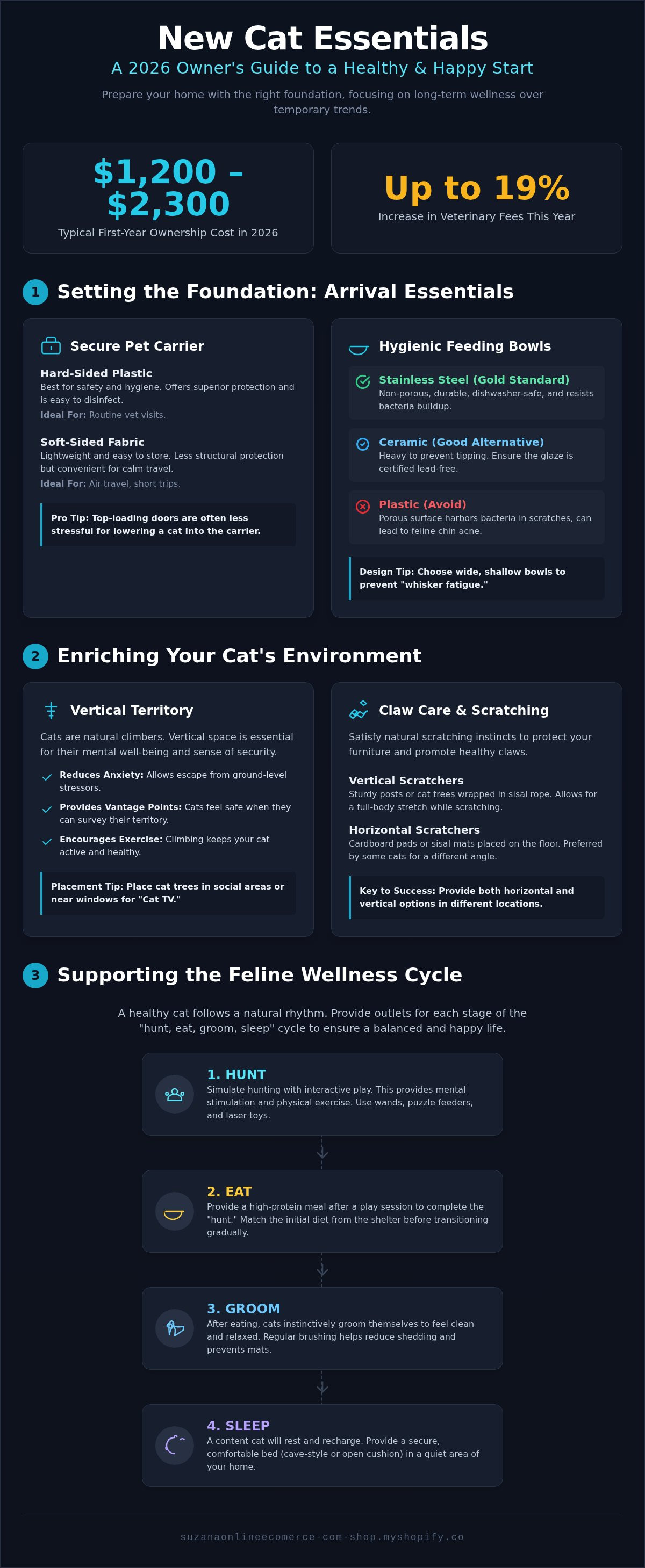
Did you know that the first year of cat ownership in 2026 typically costs between $1,200 and $2,300? With veterinary fees rising by up to 19% this year, making smart choices about your initial investment is more critical than ever. It's easy to feel overwhelmed by the thousands of pet products online or worry about purchasing low quality materials that might compromise your pet's health. Finding the right essential cat supplies shouldn't be a guessing game that leads to wasted expenses. You need to ensure your new companion is safe and comfortable without cluttering your home with unnecessary items.
It's natural to feel uncertain about which products are mandatory for a healthy feline lifestyle. This article provides a definitive checklist to ensure your pet is well cared for from day one. You will receive a clear, actionable shopping list and the confidence that your home is fully prepared for a new arrival. We will detail why materials like stainless steel are superior for health, how to interpret 2026 pet food regulatory changes, and how to distinguish between essentials and luxuries. This professional overview ensures your cat's long term wellness starts with the right foundation.
Key Takeaways
- Learn how to select secure transport carriers and non-porous feeding stations to maintain your cat’s safety and health from the first day.
- Understand the behavioral importance of vertical space and how to provide both horizontal and vertical scratching surfaces to protect your home.
- Evaluate different litter box configurations and substrate types to create a hygienic environment that respects your cat’s instinctual preferences.
- Identify the essential cat supplies needed for immediate use while learning to prioritize durable, high-quality materials over temporary fixes.
- Discover how to integrate interactive toys and wellness products to support a healthy "hunt-eat-groom-sleep" cycle for your feline friend.
Setting the Foundation: Immediate Essentials for Your Cat’s Arrival
Preparing your home for a new arrival requires more than just excitement; it requires a strategic approach to procurement. The first 24 hours are critical for building trust and ensuring safety. Having your essential cat supplies ready before you bring your pet home prevents unnecessary stress for both you and the animal. Understanding the basics of domestic cat care starts with addressing their biological needs and providing a secure environment for their transition into your household.
To better understand these requirements, watch this helpful video:
Choosing the Right Pet Carrier
A secure, well-ventilated carrier is the first item you'll use. Safety during transport is a priority. Hard-sided plastic carriers are generally the best choice for routine vet visits because they provide superior protection against impact and are easy to disinfect. Look for models with top-loading doors, as lowering a cat into a carrier is often less stressful than forcing them through a front gate. Soft-sided carriers are lightweight and easier to store, making them ideal for air travel or short, calm trips, but they offer less structural protection in a vehicle.
Food and Water Station Materials
The material of your cat's bowls directly impacts their health. Many retail outlets sell inexpensive plastic sets, but these are often porous. Bacteria can hide in microscopic scratches on plastic surfaces, which frequently leads to feline chin acne, a painful skin condition. To avoid this, prioritize non-porous materials:
- Stainless steel: This is the gold standard for hygiene. It's durable, dishwasher-safe, and resistant to bacteria buildup.
- Ceramic: A heavy ceramic bowl prevents tipping and sliding. Ensure the glaze is certified lead-free to avoid toxicity issues.
- Design: Opt for wide, shallow bowls to prevent "whisker fatigue," which occurs when a cat's sensitive whiskers touch the sides of a deep dish.
Initial Comfort and Nutrition
Your cat's initial diet should ideally match what they were eating at the shelter or breeder to avoid digestive upset. Transitioning to high-protein wet and dry food options should be done gradually. While you might be tempted by elaborate furniture, a simple, high-walled bed provides a sense of security for a nervous newcomer. Some cats prefer "cave" style beds to hide, while others like open cushions. Observing your pet's personality in the first few days will help you decide if they need more enclosed spaces. This functional approach ensures your essential cat supplies list focuses on long-term health rather than temporary trends.
Vertical Space and Claw Care: Essential Cat Furniture
Cats are arboreal by nature. They view their environment in three dimensions, often seeking the highest point in a room to monitor their surroundings. This biological drive isn't just about play; it's a fundamental requirement for their mental well-being. When you consider your list of essential cat supplies, furniture that facilitates climbing and scratching must be a priority to prevent behavioral issues and protect your home. Without these outlets, a cat's instinctual needs will likely conflict with your interior design choices.
The Importance of Vertical Territory
Providing vertical space is particularly vital in multi-pet households or small apartments. Elevated perches allow a cat to escape ground-level stressors, such as other pets or active children. According to the Cornell Feline Health Center, environmental enrichment that includes vertical territory can significantly reduce anxiety in domestic cats. A sturdy cat tree serves as a centralized hub for perching, hiding, and observing. For the best results, place these items in social hubs like the living room or near windows. Cats enjoy "cat TV", the ability to watch birds and outdoor activity, which provides hours of mental stimulation. Always check the weight capacity and base stability before purchase. If a tree wobbles, a cat will feel unsafe and likely abandon it.
Selecting Effective Scratching Supplies
Scratching is an instinctual behavior used to shed claw sheaths, stretch muscles, and mark territory with scent glands located in the paws. If you don't provide appropriate surfaces, your cat will choose your sofa or carpets. Effective scratching furniture comes in two main orientations: vertical posts and horizontal pads. Some cats prefer a long vertical stretch, while others like to crouch and pull at a floor-level pad. Consider these material options for your essential cat supplies checklist:
- Sisal rope: This is the most durable choice. It provides excellent resistance for heavy scratchers and lasts for years.
- Corrugated cardboard: These are lightweight and inexpensive. They're great for horizontal scratchers, though they require more frequent replacement and can leave a mess.
- Wood or natural bark: These offer a texture closest to what a cat would find in the wild, though they are less common in standard retail.
To be effective, a vertical post must be tall enough for the cat to fully extend its body while standing on its hind legs. Strategic placement is the secret to success. Place scratchers directly next to the "forbidden" furniture your cat has already targeted to redirect their behavior effectively. You can find a variety of durable and functional pet supplies designed to suit these behavioral needs in our curated collection. Investing in the right furniture now saves your upholstery later.
Managing Hygiene: The Litter Box and Grooming Setup
Hygiene management is one of the most critical aspects of cohabiting with a feline. A proper setup prevents odors, protects your flooring, and ensures your pet remains comfortable in their environment. When selecting essential cat supplies for waste management, you must balance your home's spatial constraints with your cat's instinctual preferences. While high-tech self-cleaning models exist, many cats actually prefer simpler designs that offer easy entry and exit. Research suggests that when given a choice, most cats prefer open boxes over enclosed ones, as they don't trap odors or restrict movement.
Litter box variety is significant. Open boxes are widely recommended for their accessibility. However, if you live in a small apartment, a hooded or top-entry box might help contain litter tracking and provide the privacy some cats require. For the substrate, clumping clay remains a popular choice for its ease of cleaning, but silica crystals and natural fibers like pine or corn offer alternative scent control. According to the ASPCA general cat care guide, maintaining a clean environment is vital for preventing urinary tract issues and behavioral aversions. You'll also need an ergonomic scoop and a textured litter mat to catch stray particles before they spread across your home.
Litter Box Strategy for the Home
Successful waste management follows the "N+1" rule. This means you should have one more litter box than you have cats. If you have one cat, provide two boxes in different locations. This prevents territorial issues and ensures a backup is available if one box becomes too soiled. Place these boxes in quiet, low-traffic areas away from loud appliances like washing machines or furnaces. A sudden noise during use can startle a cat and lead to house-soiling problems. To set up the box, fill it with approximately two to three inches of litter. This depth allows for natural digging and burying behavior without creating excessive dust.
Grooming Tools for Every Coat Type
Grooming is about more than aesthetics; it's a functional health requirement. Regular brushing removes loose fur, which significantly reduces the frequency of hairballs and manages shedding around your home. A slicker brush is a versatile tool for most coat types. It effectively removes the loose undercoat and prevents painful mats from forming. For high-shedding breeds, a specialized de-shedding tool is a necessary addition to your essential cat supplies kit. Don't forget claw maintenance. High-quality nail trimmers allow you to maintain your cat's claws safely at home. This reduces the risk of snagged nails or accidental scratches during play. Consistent grooming routines also provide an opportunity to check for skin issues or parasites, ensuring your pet stays healthy and comfortable.
Nutrition and Mental Well-being: Beyond the Basics
Effective feline care extends past basic survival tools. To maintain a balanced home environment, you must address your cat's psychological needs through structured enrichment. This involves stimulating their instinctual "hunt-eat-groom-sleep" cycle. Without this mental engagement, cats often develop anxiety-based behaviors or lethargy. Adding behavioral tools to your essential cat supplies checklist ensures your pet remains sharp and satisfied. A holistic approach recognizes that physical health and mental well-being are inseparable components of a happy home.
Interactive Play and Enrichment
Active play sessions with wand toys mimic the hunt. These supervised interactions strengthen the bond between owner and pet while providing necessary physical exertion. For times when you aren't available, solo toys like catnip-infused kickers or rolling balls offer independent entertainment. Puzzle feeders are another vital addition. They force cats to work for their kibble, which slows down fast eaters and provides cognitive stimulation. This mimics the natural effort required to secure a meal in the wild, preventing boredom and obesity-related issues.
Advanced Wellness and Hydration
Hydration is a cornerstone of long-term feline health. Many cats have a low thirst drive because their ancestors obtained moisture from prey. In a domestic setting, some individuals are hesitant to drink from standing water in a bowl. Water fountains provide moving water, which is more appealing and encourages higher intake. This is crucial for supporting kidney function and preventing urinary tract issues. Integrating these wellness-focused essential cat supplies creates a proactive health strategy. Just as humans benefit from a health and wellness routine, your pet requires a holistic approach to their daily life.
Don't overlook oral hygiene. Dental chews and water additives help manage tartar buildup between professional veterinary cleanings. These products work alongside your regular grooming routine to ensure comprehensive care. By selecting items that serve both functional and health purposes, you provide a better quality of life for your pet. You can browse our full range of functional pet wellness products to find the right solutions for your cat's specific needs. Investing in these advanced tools now helps prevent expensive medical interventions later.
Preparing Your Home: A Practical Shopping Framework
Establishing a professional framework for your purchases ensures that you don't overspend on decorative items before securing foundational gear. With the first year of cat ownership in 2026 reaching estimated costs of up to $2,300, a structured approach to your essential cat supplies list is a financial necessity. You should focus on utility and durability first. High-quality items often carry a higher upfront cost but prevent frequent replacements, which ultimately reduces your long-term expenditure. A happy home starts with a safe, organized environment where every purchase serves a specific functional purpose.
Prioritizing Your Pet Supply Budget
Safety, hygiene, and health form the primary tier of your shopping list. Your initial budget must cover a secure carrier, a functional litter setup, and age-appropriate nutrition. These are non-negotiable for a successful transition. Secondary items, such as specialized beds or elaborate cat trees, can be integrated once you understand your cat's specific personality and preferences. Ongoing monthly costs for food and litter in 2026 typically range from $37 to $80, so it's vital to factor these recurring expenses into your monthly planning. Investing in professional-grade materials ensures these foundational items remain functional for years rather than months.
The Final Homecoming Checklist
Before the cat arrives, you must audit your living space for potential hazards. This includes verifying that all window screens are secure and removing toxic houseplants like lilies, azaleas, or sago palms. Designate a "safe room" where your new companion can decompress during their first few days. This room should contain all the essential pet supplies needed for immediate survival, including food, water, and a litter box. Introducing the cat to their new environment slowly prevents sensory overload and helps them associate their new gear with security. Use this final checklist to ensure your home is ready:
- Secure, hard-sided carrier for safe transport.
- Two non-porous bowls (stainless steel or ceramic) and a one-week supply of food.
- Litter box, ergonomic scoop, and one bag of low-dust substrate.
- At least one vertical scratching post tall enough for a full stretch.
- A designated sleeping area with a washable bed or soft blanket.
By following this structured framework, you ensure that your essential cat supplies are ready before the cat's paws hit the floor. This preparation reduces the likelihood of emergency shopping trips and allows you to focus entirely on bonding with your new pet. Professional preparation is the most effective way to guarantee a smooth transition into feline ownership.
Building a Healthy Future for Your New Companion
Transitioning a cat into your home requires more than just affection; it demands a functional environment built on durability and safety. By prioritizing non-porous materials like stainless steel for feeding and ensuring adequate vertical territory, you address the biological needs that keep a feline healthy. Consistent hygiene maintenance and mental stimulation through interactive play prevent long-term behavioral issues. Having the right essential cat supplies ready before day one transforms a potentially stressful move into a seamless experience.
As global e-commerce experts, we focus on providing a wide selection of functional pet and home essentials designed for modern living. If you need assistance, our informative and professional customer support is available to guide your selection. Browse our full range of professional pet supplies at SUZANA SHOP to complete your homecoming checklist. With the right tools and a well-prepared space, you're ready to enjoy a rewarding lifetime of companionship with your new feline friend.
Frequently Asked Questions
What are the absolute minimum supplies I need for a new cat?
The absolute minimum requirements include a secure carrier, a litter box with litter, non-porous food and water bowls, and a one-week supply of age-appropriate food. These items form the core of your essential cat supplies list. Without these foundations, you cannot safely transport or house your pet during the first 24 hours. Secure these basics before bringing your new companion home to ensure a smooth transition.
Is it better to get an open or a closed litter box?
Most cats prefer an open litter box because it doesn't trap odors and allows for a clear line of sight while they are vulnerable. Enclosed models may reduce litter tracking in small apartments, but they can be stressful for some felines due to restricted movement. If your cat shows signs of house-soiling, switching to an open, high-sided box is often the most effective professional solution.
How do I choose the right size cat carrier?
A carrier should be approximately 1.5 times the size of your cat. Your pet must be able to stand up, turn around, and lie down comfortably during transport. However, a carrier that is too large can be dangerous, as the cat may slide around during vehicle movement. For a kitten, choose a size that accommodates their projected adult weight to avoid the need for multiple purchases.
Do cats really need a bed, or will they just sleep on the couch?
Cats require a dedicated bed to provide a sense of security and a consistent place to deposit their scent. While they will frequently sleep on your furniture, a washable cat bed helps manage fur distribution and gives them a safe retreat when they feel overwhelmed. Enclosed "cave" style beds are particularly effective for nervous cats or those in busy households with children or other pets.
What kind of scratching post is most effective for preventing furniture damage?
A tall, sturdy post covered in sisal rope is the most effective tool for preventing furniture damage. It must be tall enough for the cat to fully extend their body while scratching. If the post wobbles, the cat won't feel secure and will likely abandon it. Placing the post directly next to the furniture they currently target helps redirect their instinctual behavior effectively.
Are stainless steel bowls better than ceramic or plastic for cats?
Stainless steel is the superior choice because it is non-porous and highly resistant to bacteria buildup. Ceramic is a functional alternative if it uses a certified lead-free glaze. You should avoid plastic bowls entirely. Plastic often develops microscopic scratches that harbor bacteria, which is a primary cause of feline chin acne, a painful and avoidable skin condition.
How often should I replace cat toys and grooming brushes?
Replace cat toys immediately if they show signs of fraying, loose parts, or exposed stuffing to prevent choking hazards. High-quality grooming brushes can last for several years if you clean and disinfect them regularly. Inspect these essential cat supplies monthly to ensure they remain safe and functional. Durable materials like metal slicker brushes rarely need replacement compared to soft plastic alternatives.
Can I use human wellness products on my cat?
You should never use human wellness products on a cat without direct veterinary approval. Many ingredients safe for humans, such as certain essential oils or over-the-counter painkillers, are highly toxic to felines. Their metabolic systems process substances differently than ours. Always stick to products specifically formulated for cats to ensure they don't experience adverse reactions or life-threatening toxicity.