

Best Electric Toothbrush for Sensitive Gums: 2026 Guide

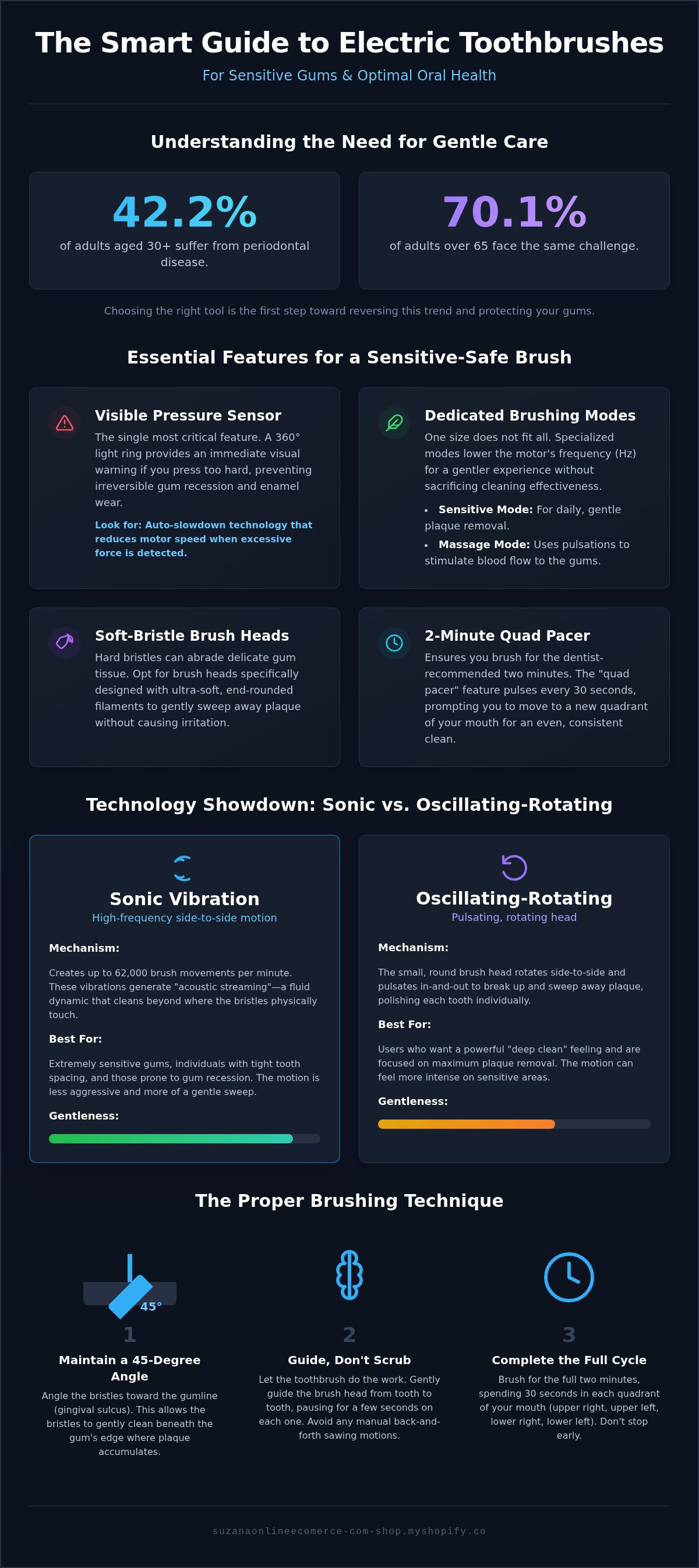
Over 42.2% of adults aged 30 and older currently suffer from periodontal disease, a figure that jumps to 70% for those over 65. If you see blood in the sink or feel a sharp sting during your morning routine, these statistics aren't just numbers; they're a daily reality. Finding the best electric toothbrush for sensitive gums is often the first step in reversing this trend. Oral health is the foundation of physical wellness, and choosing the right tool shouldn't feel like a gamble with your comfort.
Key Takeaways
- Learn why a visible pressure sensor is the most critical feature for preventing gum recession and protecting delicate tissue.
- Identify the specific motor settings and soft-bristle head types that define the best electric toothbrush for sensitive gums in 2026.
- Understand the technical differences between sonic vibrations and oscillating-rotating movements to determine which technology is gentler on your mouth.
- Master the 45-degree angling technique to clean the gingival sulcus effectively without applying harmful manual pressure.
- Discover how oral care serves as a pillar for systemic health and which complementary wellness tools can enhance your daily routine.
Understanding Gum Sensitivity and the Electric Advantage
Gum sensitivity isn't just a minor annoyance; it's a physiological state where the gingival tissue has thinned or receded. This often leaves the porous roots of your teeth exposed, making them vulnerable to temperature changes and touch. When the protective barrier of the gums is compromised, inflammation becomes a frequent guest. Finding the best electric toothbrush for sensitive gums is about more than just comfort. It's about choosing a tool that manages plaque without further damaging these delicate areas. Manual brushing often feels like the safer choice, but it actually places more stress on your mouth because of the way humans naturally move their hands.
The mechanical advantage of an electric motor lies in its ability to perform micro-vibrations. These rapid movements disrupt the sticky biofilm of plaque through gentle oscillation or vibration rather than abrasive scrubbing. This shift in technology allows for a high level of cleanliness without the need for manual force. Acoustic streaming is the fluid motion created by high-speed vibrations that allows for cleaning even in the tight spaces where bristles cannot physically reach. By leveraging electric toothbrush technology, you're letting the device do the work while your hand simply guides it along the gum line.
Why Manual Brushing Fails Sensitive Users
Manual brushing relies on the user's internal sense of pressure, which is notoriously inaccurate. Most people default to a "sawing" motion, moving the brush head back and forth with far too much vigor. This inconsistent pressure leads to "scrubbing," a habit that causes irreversible enamel wear near the gingival margin. There's a common psychological trap where we believe harder brushing equals cleaner teeth. This mindset is dangerous for those with sensitivity. Without a sensor to tell you otherwise, it's easy to keep pushing until the gums bleed, which only accelerates recession and exposes even more of the tooth root.
Clinical Benefits of Electric Motion
Switching to an automated device offers clear clinical advantages. Research shows a marked reduction in gingivitis markers for those who use electric models compared to manual ones. One key factor is the integration of timers. These ensure you don't over-brush one section while neglecting another, which keeps wear even across all quadrants. The consistency of the motor is also vital. While a human hand can manage maybe 300 strokes per minute, an electric brush manages thousands. This high stroke count maintains gum integrity by removing plaque efficiently before it can harden into tartar. It's a professional grade clean that respects the limits of your soft tissue, much like the medical equipment provided by specialized distributors such as OmniMedSource.
Selecting the best electric toothbrush for sensitive gums in 2026 involves prioritizing active safety features over basic vibration settings. Modern devices have moved past simple timers to include real-time biological feedback that prevents user error before it causes tissue damage. A comparative study on electric toothbrushes highlights how different mechanical actions impact gingival health, underscoring the need for precision tools that adapt to the user's unique mouth chemistry.
One of the most significant advancements is the integration of smart bio-feedback. High-end 2026 models now track "brushing intensity" over several weeks, providing a historical view of how much pressure you apply. This data helps identify patterns of aggression that a single session might miss. Additionally, consistent power output is vital. A fading battery can cause motor "stuttering," which creates jagged movements that irritate delicate tissue. Modern lithium-ion cells ensure the motor maintains a perfectly smooth frequency until the device requires a recharge.
The Critical Role of Pressure Sensors
Visible LED pressure sensors are the most effective tool for sensitive users. While older models used audible alerts, these were often drowned out by the sound of the motor. A 360-degree light ring provides an immediate visual cue in the mirror if you press too hard. This technology has evolved from reactive warnings to proactive management. Many 2026 devices will automatically reduce motor speed or stop the pulsation entirely the moment excessive force is detected, effectively "hand-holding" the user through a safe cleaning session.
Customizable Brushing Modes
Dedicated sensitive modes work by lowering the frequency (Hz) of the motor. This creates a softer tactile experience while still delivering enough energy to disrupt plaque. Massage modes are also beneficial for those with thinning tissue; they use pulsating patterns to gently stimulate blood flow in the gum tissue. The latest standard in oral care is adaptive intensity. This feature uses AI to monitor bristle resistance in real-time, adjusting the power levels as you move from tough enamel to soft gingival areas. If you are looking to enhance your daily hygiene, you can find a curated selection of wellness products at SUZANA SHOP to complement your oral health routine.
Comparing Sonic vs. Oscillating Technology for Gums
Understanding the mechanical differences between sonic and oscillating-rotating technologies is essential for identifying the best electric toothbrush for sensitive gums. While both systems aim to eliminate plaque, their interaction with soft tissue varies. Sonic technology relies on high-frequency vibrations to agitate fluids, whereas oscillating-rotating systems use a mechanical "cup and scrub" approach. The choice between them often depends on your specific level of tissue inflammation and personal tactile preference.
Material science also plays a significant role in how these technologies feel. While standard nylon bristles are common, the development of tapered filaments has changed the landscape for sensitive users. Tapered bristles narrow to a microscopic point, allowing them to enter the gingival sulcus without the blunt impact of traditional rounded tips. Some modern models also experiment with silicone, though high-quality, ultra-soft nylon remains the clinical standard for balancing plaque removal with gum safety.
Sonic Motion: The Gentle Vibrational Approach
Sonic devices typically operate at speeds of 31,000 or more strokes per minute. This rapid movement creates acoustic streaming, which allows for a "non-contact" clean by moving toothpaste and saliva into tight spaces. For individuals with extreme cold sensitivity, these high-frequency vibrations can sometimes trigger nerve discomfort. However, many users find this approach gentler on inflamed tissue because the brush head doesn't physically strike the gums with the same mechanical force as rotating models. Most people experience a "tickle" sensation initially, but this usually subsides after ten to fourteen days of regular use.
Oscillating-Rotating: Precision for the Gum Line
Oscillating-rotating brushes utilize small, round heads designed to surround each individual tooth. This design makes it significantly easier to target the cervical margin, the area where the tooth meets the gum line, which is a primary site for plaque accumulation. These systems often incorporate 3D motion, combining oscillation and rotation with pulsations that help break up hardened biofilm. While this can feel more intense, using a dedicated "Sensitive" brush head with extra-soft filaments can mitigate irritation. These specialized heads are engineered to provide the mechanical benefits of a round brush without the risk of abrasive wear on receding gums.
How to Brush Sensitive Gums Without Causing Damage
The efficacy of the best electric toothbrush for sensitive gums depends entirely on the hand that holds it. Even the most advanced sensor cannot compensate for a fundamentally flawed technique. To protect delicate tissue, you must transition from a "scrubbing" mindset to a "guiding" one. This begins with the 45-degree angle rule. By tilting the bristles toward the gingival sulcus, the tiny gap where the tooth meets the gum, you allow the vibrations to disrupt subgingival plaque without blunt force.
The Bass Method for Electric Brushes
The Bass Method is the clinical standard for maintaining gum health. Start by placing the brush head at a 45-degree angle against the gum line. Instead of moving the brush in wide circles or back-and-forth strokes, use a slow, gliding motion. Focus specifically on the lingual surfaces, the inside of your teeth, where plaque often accumulates unnoticed. Because the tongue blocks your view, it's easy to rush this area. Pay extra attention to the lower interior teeth, as these are high-risk zones for tartar buildup.
Avoiding Common Sensitive Brushing Mistakes
Many people start brushing in the exact same spot every morning. By the time you reach the final quadrant, you're often fatigued or rushed. Over years, this leads to uneven gum wear and localized recession in the starting zone. Another common error is using "Whitening" brush heads. These often feature rubber polishing cups or stiffer bristles that are too abrasive for sensitive tissue. Stick to extra-soft heads specifically designed for gum care. Finally, replace your brush head every three months. Frayed bristles lose their flexibility and become sharp, jagged edges that can micro-tear the gums. To maintain your oral health as part of a total body approach, explore the wellness products available at SUZANA SHOP.
Integrating Oral Care into a Holistic Wellness Routine
Oral health serves as a critical indicator of your systemic physical condition. Scientific evidence increasingly links periodontal disease to cardiovascular issues, diabetes, and chronic inflammation. While finding the best electric toothbrush for sensitive gums is a primary step, treating oral care as an isolated habit limits its effectiveness. A comprehensive approach involves managing the entire oral microbiome. Utilizing a tongue scraper is essential for this process, as it removes the bacteria responsible for volatile sulfur compounds and fresh breath that a toothbrush alone cannot reach.
Dietary choices also dictate the resilience of your gingival tissue. Adequate hydration ensures consistent saliva production, which acts as the first line of defense against enamel-eroding acids. Nutrients like Vitamin C and CoQ10 support gum collagen and help maintain the integrity of the mucosa. Integrating high-quality wellness products into your daily regimen can bolster oral immunity and reduce the frequency of inflammatory flare-ups. This holistic view ensures that your hygiene tools work in tandem with your body's natural healing processes.
Beyond the Brush: Flossing and Rinsing
For individuals with sensitive pockets or receding lines, traditional string floss can sometimes feel too abrasive. Water flossing provides a gentler alternative by using a targeted stream of water to flush out subgingival plaque. Pairing this with an alcohol-free rinse prevents the drying of delicate mucosa, which is a common side effect of commercial mouthwashes. Additionally, look for products containing hydroxyapatite. This biocompatible mineral helps remineralize sensitive spots on the enamel, providing a protective layer that reduces nerve exposure without the use of harsh chemicals.
Lifestyle Factors for Better Gum Health
Stress management plays an unexpected but vital role in gum preservation. High stress levels often lead to bruxism, or teeth grinding, which places immense tension on the periodontal ligaments and can accelerate gum recession. Consistent physical activity also helps. Engaging in home fitness routines improves overall circulation, ensuring that oxygen and nutrients reach the extremities of the body, including the gingival blood vessels. Establishing a structured morning and evening wellness ritual creates a predictable environment for your body to maintain its oral defenses. By viewing the best electric toothbrush for sensitive gums as one component of a larger health strategy, you achieve better outcomes for both your smile and your systemic wellness.
Take Control of Your Long-Term Oral Health
Selecting the best electric toothbrush for sensitive gums is a foundational step toward a pain-free daily routine. The right technology acts as a safeguard, preventing the aggressive scrubbing that leads to recession and inflammation. By prioritizing features like visible pressure sensors and adaptive intensity, you're investing in a tool that respects your body's limits. Your daily routine is most effective when you combine professional-grade devices with the proper 45-degree technique and a holistic view of wellness.
Oral care doesn't exist in a vacuum; it's a pillar of your physical well-being that influences your systemic health. At SUZANA SHOP, we provide professional wellness guidance and a curated selection of health essentials designed for your personal well-being. With our global shipping reach, you can easily access the tools needed to maintain a balanced lifestyle. Explore our full range of wellness products for a healthier lifestyle and start building a routine that supports your vitality. Your journey to a healthier smile starts with informed choices and consistent care.
Frequently Asked Questions
Can an electric toothbrush cause gum recession?
An electric toothbrush won't cause gum recession if you use it correctly without applying manual pressure. While the best electric toothbrush for sensitive gums is designed to protect you, recession can still occur if you use aggressive scrubbing motions. These devices are meant to do the mechanical work for you. If you let the brush glide along the gum line, it's actually safer than a manual brush for preserving your long-term gum height.
How often should I replace the brush head on a sensitive toothbrush?
Sonic technology is often considered the better choice for bleeding gums because it's less mechanically abrasive. It relies on high-speed vibrations to move fluid between the teeth, providing a non-contact clean. While oscillating-rotating brushes are excellent for plaque removal, their physical scrubbing action can feel too intense for highly inflamed tissue. If your gums bleed frequently, the gentler vibrational feel of a sonic brush can help you maintain hygiene without discomfort.
What is the best brushing mode for people with gingivitis?
The dedicated Sensitive or Gum Care mode is the ideal setting for managing gingivitis. These modes operate at a lower frequency, which reduces the intensity of the vibrations against your inflamed gums. This allows you to disrupt the bacterial biofilm that causes gingivitis without triggering pain or further bleeding. By using a softer setting, you can brush for the full two minutes required to effectively reduce inflammation and improve your overall oral health.
Should I use a special toothpaste with my electric brush for sensitivity?
Pairing a desensitizing toothpaste with your electric brush can provide an extra layer of protection. Look for formulas containing hydroxyapatite or potassium nitrate, as these help seal the microscopic tubules leading to your tooth nerves. You don't want to use highly abrasive whitening toothpastes, as the combination of a powerful motor and gritty paste can be too harsh for sensitive areas. A low-abrasion fluoride paste is usually the safest choice for your gums.
Are cheap electric toothbrushes safe for sensitive gums?
How do I know if I am pressing too hard while brushing?
You can tell you're pressing too hard if your brush's LED sensor turns red or if the motor noticeably slows down. If your device doesn't have these features, look at the brush head after a few weeks. If the bristles are splayed or flattened, you're definitely using too much manual force. Your gums shouldn't feel sore or look irritated immediately after brushing; if they do, you need to lighten your grip and let the motor work.
Can I use an electric toothbrush if I have dental implants and sensitive gums?
You can absolutely use an electric toothbrush with dental implants, and it's often recommended by dentists. Implants require meticulous cleaning to prevent peri-implantitis, an inflammatory condition that can lead to implant failure. Using a sensitive mode with a soft-bristle head allows you to clean the area around the implant abutment without scratching the prosthetic or irritating the surrounding gums. It's a safe way to ensure your hardware stays clean and your tissue remains healthy.