

The Science-Backed Benefits of Using a Sleep Mask for Better Health in 2026

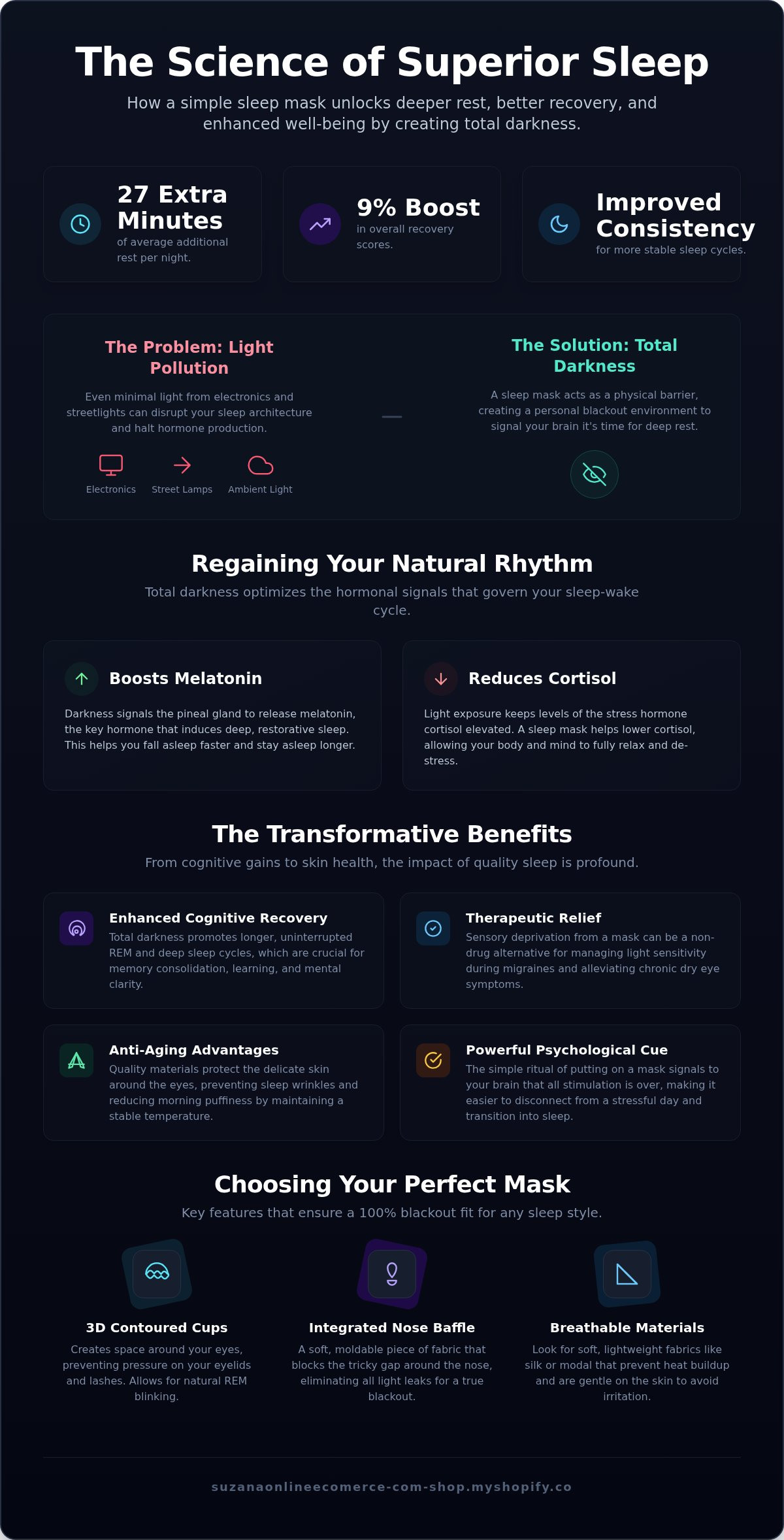
Did you know that wearing a sleep mask can grant you an average of 27 extra minutes of rest every single night? Recent data shows that the benefits of using a sleep mask include a 9% boost in recovery scores and significantly improved sleep consistency. It's frustrating to spend eight hours in bed only to wake up feeling exhausted because of light pollution from street lamps or the persistent glow of electronics. You aren't alone in dealing with dry, puffy eyes or fragmented rest caused by a lack of total darkness.
By blocking out intrusive light, this simple wellness tool acts as a biological darkness switch to trigger melatonin production and protect your skin. This article explores how modern sleep mask designs help you achieve faster sleep onset and uninterrupted REM cycles. We'll examine the science behind light deprivation and provide clear instructions on selecting materials that prevent morning puffiness. From contoured 3D cups to advanced fabrics, you'll learn how to transform your bedroom into a professional-grade recovery sanctuary for better health in 2026.
Key Takeaways
- Learn how total darkness signals the pineal gland to optimize melatonin production and regulate your natural circadian rhythm.
- Understand the primary benefits of using a sleep mask to extend REM cycles and improve cognitive recovery through deeper sleep stages.
- Discover how sensory deprivation can act as a non-drug alternative for managing light sensitivity during migraines or chronic dry eye symptoms.
- Explore the anti-aging advantages of quality materials that prevent sleep wrinkles and reduce morning puffiness by maintaining eye area temperature.
- Identify the technical features to look for in a mask, such as nose baffles and 3D contours, to ensure a perfect fit for your specific sleep style.
The Science of Total Darkness: How Sleep Masks Regulate Your Circadian Rhythm
Your internal clock, or circadian rhythm, relies on external cues to function correctly. The suprachiasmatic nucleus (SCN) in your brain processes light signals received through the eyes to determine if you should be awake or asleep. One of the primary benefits of using a sleep mask is its ability to provide a consistent signal to the SCN that it's time for rest. Understanding how sleep masks block out light helps you realize why even minor light pollution can be detrimental to your overall health and recovery.
Biological darkness is the physiological state where light exposure is low enough to allow the brain to initiate essential repair and recovery cycles.
When the eyes detect this darkness, the pineal gland begins secreting melatonin, the hormone responsible for deep sleep. Even tiny amounts of ambient light from a phone charger or a gap in the curtains can halt this production. This disruption prevents you from entering the deeper, more restorative stages of sleep, leaving you groggy the next morning. For those living in urban areas, achieving this level of darkness without assistance is nearly impossible.
To better understand this concept, watch this helpful video:
Melatonin vs. Cortisol: The Hormonal Balance
Light exposure doesn't just stop melatonin; it also keeps cortisol levels high. Cortisol is the body's primary stress hormone designed to keep you alert and reactive. Total darkness signals the body to lower cortisol, allowing for physical relaxation. While blackout curtains are popular, they often fail to block light from the edges of the window or door. SUZANA SHOP recommends masks because they provide a 100% blackout environment directly at the source, ensuring your hormonal balance remains undisturbed. This consistency is vital for shift workers who must sleep during daylight hours.
Blocking Blue Light in a Digital Age
We live in a world saturated with blue light from smartphones, tablets, and modern LEDs. This specific wavelength is particularly aggressive at suppressing melatonin production. By using a mask, you create a physical barrier against this digital pollution. It forces your brain into a digital-free sensory environment, which is a key component of the benefits of using a sleep mask. This barrier helps the brain disconnect from the constant stimulation of the modern world. Creating this sensory boundary facilitates a smoother transition into REM sleep and supports long-term cognitive health.
Deep Sleep and Cognitive Recovery: Why Blackout Masks Matter
Achieving total darkness is not just about falling asleep; it's about the quality of the time spent unconscious. Research indicates that Deep Sleep and Cognitive Recovery are inextricably linked to a light-free environment. When your eyes are completely shielded, your brain is more likely to sustain longer periods of Rapid Eye Movement (REM) and deep, slow-wave sleep. These stages are vital. They allow the brain to consolidate memories and process the day's information. Without these uninterrupted cycles, cognitive performance and emotional regulation suffer.
One of the significant benefits of using a sleep mask is the reduction of "micro-awakenings." These are brief moments of wakefulness triggered by changing light levels, such as a passing car's headlights or a partner turning on a lamp. You might not remember these interruptions, but they fragment your sleep architecture. Putting on a mask also serves as a powerful psychological signal. This simple ritual tells your brain that it's time to power down, making it easier to drift off even after a stressful day. Consistency in this habit helps the body recognize when to lower its heart rate and prepare for cellular repair.
Enhancing Sleep Quality for Shift Workers
For those working night shifts, sleeping during the day is a constant struggle against natural biology. Sunlight filtering through even the thickest curtains can trick the brain into staying alert. Using a blackout mask is often the most effective way to achieve the deep sleep required for cognitive recovery. It allows shift workers to maintain a consistent circadian rhythm despite an inconsistent schedule. This tool provides a portable, reliable darkness that's essential for anyone whose rest hours don't align with the sunset.
Improving Focus and Morning Alertness
There is a clear correlation between uninterrupted darkness and reduced morning grogginess. When you protect your deep sleep cycles, you wake up with improved executive function and sharper mental clarity. This approach is a core part of a broader Health and Wellness pillar, where quality rest supports every other aspect of a balanced lifestyle. Better sleep means you're more prepared for physical challenges and mental stressors throughout the day. If you want to optimize your nightly recovery, you can find high-quality wellness products at SUZANA SHOP to help you achieve these goals.
Beyond Sleep: Therapeutic Benefits for Migraines and Dry Eyes
While we often think of these tools for nighttime rest, the therapeutic benefits of using a sleep mask extend into daytime wellness and chronic condition management. For individuals suffering from migraines or tension headaches, sensory deprivation is a critical component of relief. Light sensitivity, or photophobia, can exacerbate pain and prolong an episode. By wearing a mask, you can create a "dark room" environment instantly, regardless of your location. This immediate occlusion helps lower sensory input to the brain, providing a non-pharmacological way to manage symptoms during a flare-up.
There is also a fascinating physiological response called the oculocardiac reflex. When gentle pressure is applied to the eyeballs, it can stimulate the vagus nerve, which in turn helps slow the heart rate and reduce stress. This mechanism makes certain masks particularly effective for those dealing with high stress levels or acute anxiety. By facilitating a drop in heart rate, the mask helps the body transition from a state of "fight or flight" to "rest and digest," making it a valuable tool for physical and mental recovery.
Managing Dry Eye Syndrome Naturally
Dry eye syndrome often worsens overnight, especially if you use a fan or air conditioning. These devices create air currents that evaporate the natural moisture on your ocular surface. One of the practical benefits of using a sleep mask is its ability to act as a moisture seal. It creates a micro-environment of humidity around the eyes, preventing the tear film from drying out. This is especially helpful for people with lagophthalmos, a condition where the eyelids don't close completely during sleep. By providing a physical shield, masks reduce the need for morning eye drops and protect the delicate surface of the eye from irritation.
Sensory Regulation and Anxiety Reduction
In an era of constant visual stimulation, total visual occlusion offers a rare opportunity for the mind to reset. Using a mask during meditation or deep relaxation sessions helps eliminate distractions, making it easier to focus on breathwork or internal awareness. Some wellness enthusiasts prefer weighted masks, which utilize deep pressure stimulation similar to weighted blankets. This pressure can help ground the nervous system and promote a sense of security. SUZANA SHOP emphasizes that these products aren't just for sleep; they're versatile instruments for overall sensory regulation. Whether you're on a noisy flight or just need a ten-minute mental break at home, a quality mask provides the necessary barrier to find calm.
Beauty Sleep Reimagined: Skin Health and Anti-Aging Advantages
The skin around your eyes is the thinnest and most delicate on your entire body. While you sleep, the friction between your face and a pillowcase can lead to "sleep wrinkles," which are distinct from regular expression lines. These mechanical folds occur when the skin is compressed against bedding for hours at a time. One of the aesthetic benefits of using a sleep mask is that it acts as a protective barrier. It prevents your skin from bunching up or folding against the fabric of your pillow. Masks also help maintain a consistent temperature around the eyes. This stability can significantly reduce morning puffiness by preventing fluid from pooling in the delicate tissue.
Silk masks prevent nighttime hydration loss by providing a non-absorbent, frictionless surface that keeps natural oils and serums on your skin rather than pulling them away.
Silk vs. Cotton: Which Is Better for Your Skin?
Choosing the right material is vital for maximizing the anti-aging benefits of using a sleep mask. Natural silk is inherently hypoallergenic and contains amino acids that are gentle on sensitive facial tissue. In contrast, cotton is highly absorbent. If you apply expensive nighttime eye creams, a cotton mask will likely soak up the product before your skin can absorb it. Silk allows your skincare to remain effective throughout the night. It also offers superior friction reduction. This means your skin glides under the mask rather than being pulled, which is essential for preventing fine lines over time. For those looking to complete their nighttime regimen, Ulvora offers beauty essentials and tools that complement these anti-aging efforts.
Even the highest quality materials require proper maintenance to protect your skin's health. Because your mask is in direct contact with your face for seven to eight hours, it can collect bacteria, dead skin cells, and residual oils. You should wash your mask every two to three days using a fragrance-free, pH-balanced detergent specifically designed for sensitive skin. Selecting breathable fabrics is also critical to prevent sweat-induced irritation and clogged pores. SUZANA SHOP recommends rotating between two masks to ensure you always have a clean one available. Proper hygiene ensures that your wellness routine doesn't inadvertently lead to breakouts or irritation.
To start protecting your skin and enhancing your nightly recovery, explore the high-quality wellness products at SUZANA SHOP.
Choosing the Right Mask for Your Sleep Style and Wellness Goals
Selecting the correct tool for your nightly recovery requires an understanding of your specific anatomy and environment. A generic approach often leads to discomfort, which can negate the benefits of using a sleep mask entirely. When evaluating options, prioritize adjustable straps. These allow you to find a secure fit without creating pressure on your temples or the back of your head. Another critical feature is the nose baffle, a small fabric insert that fills the gap around the bridge of your nose. Without this, light can still leak in, disrupting the total darkness required for deep sleep.
You must also decide between contoured 3D masks and traditional flat designs. Contoured masks feature recessed eye cups that allow for natural eye movement and blinking during REM cycles. This is particularly beneficial for those who find pressure on their eyelids distracting or uncomfortable. Flat masks, while simpler, are often more portable and easier to store for travel. Integrating the right mask into your broader wellness products collection ensures that your sleep environment is optimized for maximum recovery and health.
The Best Fit for Your Sleeping Position
Your preferred sleeping position dictates the thickness and profile of the mask you should choose. Side sleepers require a slim-profile design with thin straps. A bulky mask will press into your face when you lie on your side, causing discomfort or even misalignment of the jaw. To complement your mask and ensure full-body comfort, specialists like BoxspringFD provide adjustable high-low beds that help you find the perfect ergonomic sleeping position. Back sleepers have more flexibility and can benefit from slightly weighted masks that provide gentle pressure to the eye area. If you sleep on your stomach, breathability is your primary concern. You need lightweight fabrics that allow for heat dissipation to prevent your face from overheating during the night.
A high-quality mask is an essential companion for long-haul flights or hotel stays where you cannot control the ambient light. Using a mask for daytime power naps can also significantly boost your afternoon productivity by allowing your brain to reach a deeper state of rest in a shorter period. When purchasing your first mask, use this final checklist to ensure quality:
- Check for 100% light blockage in a bright room.
- Ensure the material is hypoallergenic and breathable.
- Verify that the strap is adjustable and won't snag your hair.
- Confirm the mask doesn't put direct pressure on your eyeballs.
Optimizing Your Rest for a Healthier 2026
Mastering your sleep environment is a fundamental step toward total body recovery. By leveraging the biological power of darkness, you can stabilize your circadian rhythm and enhance cognitive function through deeper REM cycles. The multifaceted benefits of using a sleep mask extend beyond just blocking light; they include protecting delicate skin from premature aging and providing a drug-free way to manage light sensitivity or dry eyes. Whether you're a side sleeper or a frequent traveler, the right fit makes all the difference in your daily performance and mental clarity.
SUZANA SHOP provides professional wellness advice and expert-selected product quality to help you build a superior recovery routine. With global shipping on all health items, accessing high-quality tools is simple and efficient. Explore our curated selection of wellness products at SUZANA SHOP and take the first step toward deeper, more restorative sleep today. You deserve to wake up feeling refreshed and ready for the challenges ahead.
Frequently Asked Questions
Is it healthy to wear a sleep mask every night?
It is perfectly healthy to wear a sleep mask every night as long as you maintain proper hygiene. Consistently blocking out light signals your brain to produce melatonin, which improves sleep quality over time. To avoid skin irritation or eye infections, ensure you wash the mask regularly to remove oils and bacteria. Many people find that the long-term benefits of using a sleep mask include more stable energy levels throughout the day.
Can wearing a sleep mask cause eyelashes to fall out?
Standard flat masks might put pressure on your eyelashes, potentially causing irritation or breakage if they are too tight. However, contoured or 3D masks feature recessed eye cups that provide space for your eyes to move and blink freely. This design prevents any direct contact with your lashes. If you use lash extensions, choosing a deep-contoured mask is essential to protect them from friction during your sleep cycles.
How do I stop my sleep mask from falling off at night?
Ensuring your mask stays in place depends on the strap design and your sleeping position. Masks with wide, adjustable straps offer a more secure fit than those with thin elastic bands. If you are a side sleeper, look for a mask with a slim side profile to prevent it from being pushed aside by your pillow. Adjust the tension so it is snug but comfortable; it shouldn't leave marks on your skin.
Do sleep masks help with dark circles under the eyes?
Sleep masks help reduce the appearance of dark circles indirectly by improving the overall quality of your rest. Poor sleep often makes the skin look paler, which allows dark blood vessels beneath the surface to become more visible. Additionally, certain materials help maintain a consistent temperature, which can minimize morning puffiness. While a mask isn't a direct cure for genetic dark circles, it supports the cellular repair necessary for healthy skin.
What is the best material for a sleep mask if I have sensitive skin?
Natural mulberry silk is the best choice for individuals with sensitive skin. It is hypoallergenic and contains natural proteins that reduce friction against the face. Unlike synthetic fabrics or cotton, silk doesn't absorb the moisture from your skin or your evening skincare products. This helps prevent dryness and irritation throughout the night. One of the primary benefits of using a sleep mask made of silk is its ability to stay cool and breathable.
Can children use sleep masks safely?
Children can safely use sleep masks, but it is important to ensure the fit is appropriate for their smaller head size. The strap should never be too tight, and the material must be breathable to prevent overheating. It is advisable to use masks specifically designed for younger users to avoid any risk of the mask slipping down and obstructing their breathing. Always supervise younger children when they first begin using a mask to ensure they are comfortable.
How do I clean a silk sleep mask without ruining it?
To preserve the integrity of a silk mask, you should hand wash it in cold water using a pH-neutral detergent. Avoid twisting or wringing the fabric, as this can damage the delicate silk fibers. Instead, gently squeeze out excess water and lay the mask flat on a clean towel to air dry. Never place a silk mask in a dryer or expose it to direct sunlight, as high heat will cause the material to become brittle.
Do weighted sleep masks really help with anxiety?
Weighted masks utilize deep pressure stimulation to help ground the nervous system. This gentle pressure can trigger the release of serotonin and stimulate the vagus nerve, which helps lower your heart rate and promote a sense of calm. Many users find this particularly effective for reducing racing thoughts before bed. It works similarly to a weighted blanket, providing a physical sensation of security that makes it easier for overstimulated minds to relax.