

The Best Eco-Friendly Yoga Mats of 2026: A Guide to Non-Toxic Practice

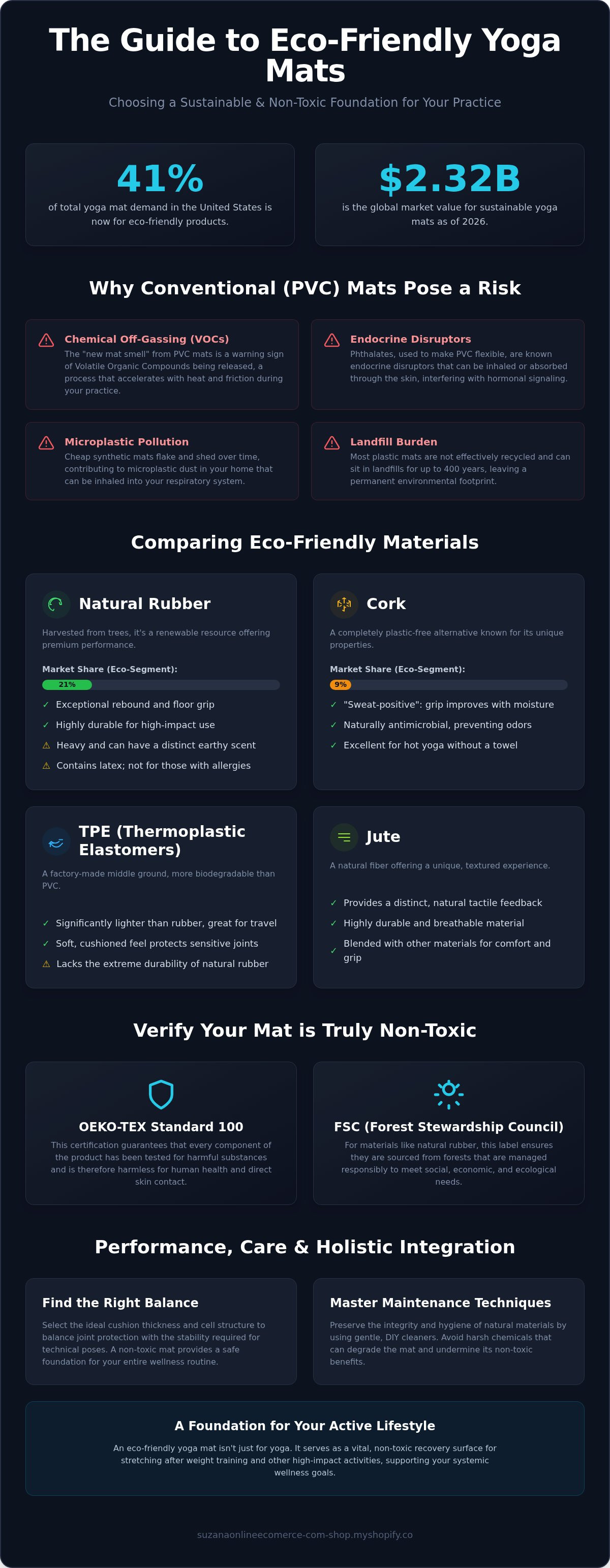
Did you know that eco-friendly products now represent 41% of the total yoga mat demand in the United States? As of 2026, the global market for these sustainable tools has reached a value of $2.324 billion, reflecting a massive shift toward conscious consumption. Most practitioners are tired of mats that emit a strong chemical smell or flake apart after just a few months of regular use. You deserve a surface that supports your joints and stays grippy during a heated session, but you shouldn't have to inhale phthalates or expose your skin to heavy metals to achieve it.
Finding the right eco-friendly yoga mat means looking beyond vague marketing terms and focusing on verifiable material science. This guide explains how to select a sustainable foundation that protects your systemic health and the planet without compromising on professional-grade cushion or traction. We'll examine the technical performance differences between natural rubber, cork, and jute. You'll also learn to identify the specific certifications, such as OEKO-TEX Standard 100 and FSC, that guarantee a truly non-toxic practice for your wellness routine.
Key Takeaways
- Identify the health risks associated with PVC and learn to recognize certifications like OEKO-TEX Standard 100 to ensure your gear is safe for skin contact.
- Evaluate the performance benefits of natural rubber and cork to select an eco-friendly yoga mat that provides professional-grade traction and durability.
- Select the ideal cushion thickness and cell structure to balance joint protection with the stability required for technical poses.
- Master maintenance techniques using gentle, DIY cleaners to preserve the integrity and hygiene of natural materials without using harsh chemicals.
- Understand how a non-toxic yoga environment supports systemic wellness and serves as a vital recovery foundation for weight training and active lifestyles.
Why Conventional Yoga Mats Impact Your Health and Environment
The transition from traditional cotton rugs to synthetic polymers is a significant part of the history of yoga mats. While Polyvinyl Chloride (PVC) provided a cheap solution for grip, it introduced hidden risks into the home environment. PVC is a rigid plastic that requires heavy chemical intervention to become flexible. These additives don't stay locked inside the material. They slowly release into the air you breathe during every session.
The distinct "new mat smell" serves as a warning sign for Volatile Organic Compounds (VOCs). These chemicals off-gas at room temperature, but the process accelerates during use. As your body generates heat and friction, your pores open. This physical state increases the likelihood of absorbing surface additives directly through the skin. For those prioritizing health and wellness, these synthetic exposures can undermine the benefits of the practice itself.
Phthalates and Endocrine Disruption
Phthalates are the most common plasticizers used to give standard mats their flexibility and "squish." These compounds are documented endocrine disruptors that can interfere with hormonal signaling. When you engage in deep pranayama, your lung capacity expands to its maximum. Inhaling concentrated VOCs in this state allows synthetic particulates to enter your systemic circulation directly. This biological impact makes the search for a truly eco-friendly yoga mat a matter of personal safety, not just environmental preference.
The Microplastic Lifecycle
Cheap synthetic mats are not designed for longevity. They eventually flake and shed. This process contributes to microplastic dust that settles in your living space and enters your respiratory system. Synthetic foam production also carries a heavy carbon footprint and relies on non-renewable petroleum. Most "recyclable" labels on plastic mats are functionally misleading. Very few facilities can process contaminated polymers, meaning these mats often sit in landfills for up to 400 years.
Standard mats don't last. They flake. In contrast, natural materials provide a safe recovery foundation for activities like weight training without leaving a permanent footprint in a landfill. Choosing an eco-friendly yoga mat ensures your fitness routine supports both your physical goals and the planet's health.
Comparing Eco-Friendly Materials: Cork, Rubber, and Jute
Selecting an eco-friendly yoga mat requires an understanding of how different fibers and polymers react to pressure and moisture. Unlike the uniform feel of PVC, natural materials offer unique tactile feedback and performance characteristics. Professional practitioners often categorize these materials based on their density, grip style, and environmental footprint. Research indicates that natural rubber currently accounts for 21% of material usage, while cork based options represent approximately 9% of the eco-segment demand.
Natural Rubber vs. Synthetic TPE
Natural rubber is harvested from trees, making it a renewable resource that provides exceptional rebound and floor grip. This density is ideal for high-impact transitions where stability is paramount. However, rubber is heavy and carries a distinct earthy scent. It also contains latex. Users with sensitivities should verify if the manufacturing process has removed the specific proteins that trigger allergies before purchasing.
Thermoplastic Elastomers (TPE) serve as a middle ground. TPE is factory made but designed to be more biodegradable than traditional plastics. It is significantly lighter than rubber, making it a practical choice for those who carry their gear to different locations. While it lacks the extreme durability of natural rubber, it offers a soft, cushioned feel that protects sensitive joints during floor based poses.
The Rise of Cork and Jute
Cork and jute represent the move toward completely plastic free alternatives. Cork is naturally antimicrobial. This property helps prevent the growth of bacteria and odors without the need for chemical treatments. Its unique cellular structure makes it "sweat positive." The more you perspire, the better the grip becomes. This makes cork a functional choice for hot yoga enthusiasts who want to avoid slipping without using a towel.
Jute offers a different tactile experience. It is a durable vegetable fiber that provides a textured, grounding surface. It is often woven into a carrier material to add structural integrity. When evaluating eco-friendly yoga mat materials, consider that cork mats offer a superior weight to support ratio compared to dense rubber, providing sufficient joint protection without the heavy bulk of solid latex.
For those building a home gym, choosing the right material is the first step in creating a professional workout space. You can explore a variety of high-performance fitness equipment to complement your new sustainable foundation. Organic cotton remains a secondary option, often used as a top layer or a traditional rug for gentle, restorative practices where traction is less critical than comfort.
Performance Factors: Finding the Right Grip and Cushion
Performance is where many sustainable options are judged by professional practitioners. While an eco-friendly yoga mat offers environmental benefits, it must function as a high-performance tool to be useful. Thickness is the primary variable to consider. A mat that's too thin leads to joint pain during floor work, while one that's too thick compromises your stability during standing balance poses. Finding the right density ensures your mat provides a stable foundation rather than a spongy surface that shifts under pressure.
Cushioning for Joint Health
Most home practitioners find that a thickness between 4mm and 6mm is the ideal range for daily use. This depth provides enough padding for the knees and spine without disconnecting you from the floor. High-density natural materials, such as tree rubber, are superior because they prevent you from "bottoming out" during lunges. This structural support makes the mat a reliable foundation for your broader home gym equipment setup, ensuring safety across various workout modalities.
Cell structure also dictates how the mat handles moisture. Open-cell mats, common in natural rubber, act like a sponge. They provide excellent traction even when damp but require more frequent deep cleaning because they absorb sweat. Closed-cell mats, often seen in TPE, repel moisture completely. They stay hygienic longer but can become slippery if sweat pools on the surface during a vigorous session. Your choice should depend on how much you typically perspire during practice.
Mastering the Grip
The science of friction replaces the need for chemical adhesives in sustainable gear. Natural rubber provides superior mechanical grip in dry conditions because of its high coefficient of friction. Cork, however, relies on suberin. This is a waxy substance that actually becomes grippier when exposed to moisture, which is why cork excels in high-heat environments. For high-intensity flows, choosing a material that matches your specific moisture output is the best way to maintain traction.
Many users complain that natural mats feel slippery at first. This is usually due to a necessary break-in period. Manufacturers often apply a thin, non-toxic film to keep the material fresh during shipping. You can accelerate the break-in process with a light salt-water scrub or simply through two weeks of consistent use. Once this layer wears off, the true texture of your eco-friendly yoga mat will emerge, providing the professional-grade grip you expect.
Portability is the final performance factor. A 6mm natural rubber mat can weigh over 7 pounds, which might be cumbersome for some. If you travel frequently, you might opt for a thinner 1.5mm to 3mm version. You'll sacrifice the joint protection mentioned earlier, but you'll gain a mat that fits easily into a carry-on or backpack. Balancing weight against cushion is a personal decision based on where you practice most often.
Caring for Your Eco-Friendly Mat: Maintenance and Longevity
Owning an eco-friendly yoga mat involves a commitment to specific maintenance routines that differ significantly from synthetic alternatives. While PVC mats can withstand aggressive scrubbing and harsh detergents, natural materials like rubber and cork are sensitive to chemical breakdown. Using the wrong cleaner can strip the natural oils from rubber or cause cork to become brittle and crack. Professional care ensures your investment remains a functional part of your home gym for years.
A simple DIY solution is often the safest and most effective choice. A mixture of 50% distilled water and 50% white vinegar provides a non-toxic disinfectant that cuts through body oils without damaging the material. You should avoid store-bought cleaners containing alcohol or bleach. These substances accelerate the degradation of natural fibers. For a fresh scent, add two drops of tea tree or lavender essential oil to your spray bottle. This maintains hygiene while respecting the organic composition of the mat.
Natural Rubber Care
Natural rubber features an open-cell structure that provides excellent grip, but this also means it acts like a sponge. You should never soak a natural rubber mat in a bathtub or washing machine. Deep saturation can trap moisture inside the core, leading to internal rot or a permanent "rubbery smell" that ventilation cannot fix. Instead, wipe the surface with a damp cloth and allow it to air-dry completely in a shaded area.
UV protection is critical for rubber longevity. Direct sunlight causes natural latex to oxidize, making the surface brittle and prone to flaking. When your mat begins to lose its rebound or develops a dusty residue that won't wipe away, it has likely reached the end of its lifecycle. Proper storage also matters. Always roll your mat with the top side facing out. This prevents the edges from curling upward during your next session and protects the practice surface from compression damage.
Cork Mat Maintenance
Cork is naturally antimicrobial due to its high suberin content. This property reduces the need for deep cleaning, as the material resists the growth of mold and bacteria. Most sessions only require a quick wipe with a damp cloth. However, mechanical care is vital. To prevent the cork layer from cracking over time, you must roll the mat loosely with the cork surface on the outside. This keeps the material in a state of tension that preserves its structural integrity.
Moisture management is the final step in professional care. You must ensure the mat is completely dry before rolling it up for storage to prevent mold. Trapping moisture between the layers can lead to fungal growth, even on antimicrobial surfaces. If you are looking to upgrade your current setup, you can find professional-grade fitness equipment designed for long-term durability and sustainable performance. Following these protocols will extend the life of your eco-friendly yoga mat while maintaining the non-toxic environment of your practice space.
Integrating Yoga into a Holistic Wellness Lifestyle
Yoga serves as the essential recovery foundation for high-intensity activities like weight training. While lifting builds strength, yoga restores mobility and prevents the muscular tightness that often follows heavy sessions. An eco-friendly yoga mat provides the necessary support for these restorative movements without introducing synthetic chemicals into your recovery phase. By viewing your mat as a professional tool for systemic health, you align your physical practice with broader health and wellness goals.
Creating a dedicated "Zen Zone" in your home helps separate workout time from daily stressors. This space should prioritize natural materials that don't off-gas or flake over time. Selecting complementary wellness products, such as organic cotton bolsters or cork blocks, enhances this environment. These choices ensure that your home gym remains a sanctuary for both physical exertion and mental clarity. A professional setup is defined by the quality of its components, starting with the surface beneath your feet.
The Mind-Body Connection
A clean, non-toxic space does more than protect your physical health; it reduces mental clutter. When you know your gear consists of sustainable materials, it removes the psychological friction of worrying about environmental impact. Using an eco-friendly yoga mat reinforces your commitment to conscious living. This alignment between your values and your actions is a powerful tool for reducing stress. Mindfulness shouldn't stop at the edge of the mat; incorporating air-purifying indoor plants from Mygreenscape can extend that sense of tranquility to your entire environment, ensuring every tool you use supports your long-term vitality.
In addition to physical tools, many practitioners use vibrational aids like those from Starseed Essence Shoppe to deepen the spiritual connection and energetic alignment of their practice space.
Building a professional home gym requires looking at the lifecycle of your equipment. High-quality natural materials are a better long-term investment than cheap synthetics. A natural rubber mat might be heavier, but it won't end up in a landfill after 12 months of use. Choosing long-lasting gear is a direct way to reduce consumer waste and ensure consistent performance. Professional-grade equipment should be durable enough to withstand daily use while remaining safe for your home environment.
As you plan your fitness journey for 2026, take a moment to audit your current equipment. Look for signs of wear, such as flaking or persistent chemical odors. Replace chemical-heavy plastics with durable, non-toxic alternatives. Transitioning to sustainable foundations ensures your home practice remains effective, safe, and environmentally responsible for years to come.
Advancing Your Practice with Sustainable Foundations
Selecting an eco-friendly yoga mat is a professional investment in your long-term health and the environment. By moving away from synthetic polymers and embracing natural rubber, cork, or jute, you eliminate the risks of VOC off-gassing and microplastic flaking. You've learned that performance doesn't have to be sacrificed for sustainability. The right density and moisture management protocols will keep your practice stable and safe for years. Choosing the correct thickness ensures your joints are protected during every session.
At SUZANA SHOP, we provide professional fitness guidance to help you build a high-performance home gym that aligns with your values. Our inventory features curated non-toxic essentials designed for health-conscious consumers who refuse to compromise on quality. We offer global shipping on all wellness gear to ensure you have access to the best tools regardless of your location. Our commitment to objective, functional advice helps you navigate the technical aspects of modern fitness equipment.
Explore SUZANA SHOP's full range of wellness and fitness products to find the foundation that matches your 2026 goals. Your journey toward a more conscious and effective practice starts with the right equipment.
Frequently Asked Questions
Are eco-friendly yoga mats actually biodegradable?
Natural materials like rubber and cork are biodegradable under proper composting conditions. An eco-friendly yoga mat made from these organic fibers will eventually return to the earth without leaving toxic residues in the soil. In contrast, TPE is technically biodegradable but requires specific industrial conditions to break down efficiently. While TPE is a significant improvement over PVC, natural rubber and jute remain the most effective choices for full environmental decomposition.
How do I clean a natural rubber yoga mat without damaging it?
You should use a solution of distilled water and white vinegar to wipe the surface after each session. Avoid submerging natural rubber in water, as its open-cell structure absorbs moisture, which can lead to internal degradation and odors. Never use harsh chemical detergents or high concentrations of alcohol. Always air-dry the mat in a shaded area away from direct sunlight to prevent the rubber from becoming brittle and losing its grip.
What is the best eco-friendly mat for hot yoga?
Cork is the superior choice for hot yoga because it contains suberin, a waxy substance that increases traction when exposed to moisture. Unlike synthetic mats that become slippery when wet, a cork surface provides more grip as you sweat. Natural rubber is also a strong contender due to its high-density support, but many practitioners prefer the antimicrobial properties of cork for high-moisture environments to prevent the growth of bacteria and persistent odors.
Do cork yoga mats smell bad after a workout?
Cork mats generally don't develop bad odors because the material is naturally antimicrobial. The suberin within the cork prevents the growth of bacteria and mold, which are the primary causes of workout gear smells. While you should still wipe the mat down with a damp cloth and allow it to air-dry completely before rolling, you will find that it stays much fresher than synthetic or open-cell rubber alternatives over long-term use.
Is TPE better than PVC for the environment?
TPE is significantly better for the environment than PVC because it is manufactured without phthalates or heavy metals. While PVC is a petroleum-based plastic that is difficult to recycle and releases toxic VOCs, TPE is a closed-cell material that is often recyclable and designed to break down faster. It serves as a functional middle ground for those who need a lightweight, cushioned eco-friendly yoga mat without the heavy environmental cost of traditional plastics.
How long does a natural rubber yoga mat typically last?
The average replacement cycle for a yoga mat is 12 to 18 months, though a high-quality natural rubber mat can last longer with proper care. Its lifespan depends heavily on your maintenance routine and exposure to environmental factors like heat and UV light. If you clean it with gentle solutions and store it in a cool, dry place, you can maximize its durability. You'll know it's time for a replacement when the material starts to flake.
Can I use essential oils to clean my eco-friendly mat?
You can use essential oils like tea tree or lavender, but you must use them sparingly. Add just one or two drops to a water-based cleaning solution to provide antimicrobial benefits and a fresh scent. Using high concentrations of oils can actually damage the surface of natural rubber or cork, causing the material to break down or become slippery. Always dilute oils thoroughly and test a small area before applying them to the entire mat.
Are expensive eco-friendly mats worth the investment for beginners?
Investing in a premium sustainable mat is worthwhile for beginners because it provides better joint protection and stability from your very first session. Cheap synthetic mats often flake or slide, which can lead to frustration or minor injuries during early practice. A high-performance eco-friendly yoga mat also ensures you aren't inhaling toxic chemicals while you learn deep breathing techniques. Starting with quality gear reduces the need for frequent replacements, making it a better long-term financial decision.